Amazon FBA changes for 2026 are no longer theoretical — they are here, and sellers need to act now. As Amazon continues to tighten fulfillment requirements and shift responsibility back to sellers, brands that rely on Fulfillment by Amazon must rethink how inventory is prepared, labeled, and delivered into Amazon’s network.
The most impactful change is Amazon’s decision to eliminate FBA prep and labeling services starting in 2026. This means inventory must arrive at Amazon fulfillment centers fully compliant and ready to stow — with no fallback or correction step once it arrives. For many sellers, this fundamentally changes how fulfillment operations must work.
In this article, we break down the Amazon FBA changes already underway, what sellers must do now to prepare for 2026, and why partnering with a 3PL fulfillment provider like FulfillMe is becoming essential for staying compliant, competitive, and profitable.
What Amazon FBA Changes Are Already Here
Amazon has been signaling for years that it wants sellers to operate with greater efficiency, accuracy, and accountability. The 2026 FBA updates reinforce that direction by removing services that previously absorbed operational gaps for sellers.
Amazon Is Ending FBA Prep and Labeling Services
Beginning in 2026, Amazon will no longer offer prep, labeling, or packaging services for inbound FBA inventory. Tasks such as:
Applying FNSKU labels
Polybagging and bubble wrapping
Adding warning or suffocation labels
Bundling and set creation
must be completed before inventory is shipped to Amazon.
If inventory arrives without meeting these standards, sellers face rejected shipments, delayed check-in, added fees, or inventory being returned entirely. There is no longer a built-in correction step at Amazon’s fulfillment centers.
Why This Change Matters More Than It Sounds
For many sellers, Amazon prep services were not just a convenience — they were a safety net. Removing them increases operational risk across every inbound shipment.
Compliance Errors Now Have Immediate Consequences
Amazon’s inbound compliance rules are strict and unforgiving. Incorrect labels, missing warnings, or improper packaging can stop inventory from being received, making products unavailable for sale during critical demand periods.
Even small mistakes can lead to:
Missed sales opportunities
Inventory stranded outside Amazon’s network
Increased storage and transportation costs
Damaged seller performance metrics
Prep Work Moves Earlier in the Supply Chain
With prep no longer happening at Amazon facilities, sellers must ensure compliance earlier — either at their own warehouse, a prep center, or through a fulfillment partner. This shifts complexity upstream and requires tighter quality control and documentation.
Brands without defined prep workflows or trained staff will feel this impact immediately.
Additional Amazon Fulfillment Pressure Sellers Are Facing
While the removal of prep services is the headline change, it’s happening alongside other pressures that increase the importance of getting fulfillment right.
Higher Sensitivity to Inbound Defects
Amazon continues to penalize sellers for inbound defects such as incorrect labeling, carton issues, or inaccurate shipment plans. As tolerance tightens, the margin for error shrinks further.
Rising Fulfillment and Storage Costs
Incremental FBA fee adjustments and storage cost pressures mean inefficient inventory movement is more expensive than ever. Poor prep or delayed check-in can directly impact profitability.
Cash Flow Timing Changes
Shifts in payout timing increase the importance of predictable inventory flow. Delays caused by compliance errors can ripple into cash flow planning and purchasing decisions.
What Sellers Must Do Now to Prepare for 2026
Waiting until late 2025 to react is risky. Sellers that start adjusting fulfillment workflows now will have a smoother transition and fewer disruptions.
1. Audit Your Current FBA Prep Process
Sellers should immediately assess how inventory is currently prepared before arriving at Amazon. Ask:
Who applies FNSKU labels today?
Where does packaging compliance happen?
How are errors caught before shipment?
If these steps rely on Amazon’s services today, you already have a gap to close.
2. Decide Whether In-House Prep Is Realistic
Bringing prep in-house requires:
Dedicated space
Trained labor
Equipment and supplies
Quality control checks
Documented workflows
For many growing brands, this quickly becomes a distraction from core business priorities.
3. Revisit Your Fulfillment Strategy Holistically
Amazon is rarely the only sales channel. Sellers should evaluate how inventory flows across:
Amazon FBA
Direct-to-consumer orders
Other marketplaces
A fragmented fulfillment strategy increases errors and inefficiencies at exactly the wrong time.
Why a 3PL Partner Makes Sense Now
As Amazon increases seller responsibility, many brands are choosing to work with a 3PL fulfillment provider rather than rebuilding operations internally.
Built-In Amazon Compliance Expertise
A 3PL like FulfillMe already operates with Amazon compliance in mind. Prep, labeling, and packaging workflows are standardized and continuously updated to reflect Amazon’s requirements.
This reduces risk while eliminating the trial-and-error learning curve.
Scalable Infrastructure Without Fixed Costs
FulfillMe provides warehouse space, trained labor, and operational systems that scale with order volume. Sellers avoid investing in infrastructure they may only need during peak periods.
Unified Fulfillment Across Channels
By centralizing fulfillment through a 3PL, sellers gain a single source of truth for inventory and orders across Amazon and non-Amazon channels. This improves accuracy and visibility while simplifying operations.
Predictable Costs and Fewer Surprises
Outsourcing fulfillment turns variable, error-driven costs into predictable operating expenses. Sellers avoid unexpected penalties, rework fees, and shipment delays caused by compliance issues.
How FulfillMe Helps Sellers Navigate Amazon’s 2026 Changes
FulfillMe is a technology-enabled 3PL built to support ecommerce brands as fulfillment requirements evolve.
Amazon-Ready Prep and Labeling
FulfillMe handles all required prep and labeling tasks so inventory arrives at Amazon fulfillment centers fully compliant and ready for check-in.
Integrated Inventory Visibility
Our fulfillment systems provide real-time inventory and order visibility, helping sellers stay in control without managing day-to-day warehouse operations.
Flexible, Scalable Fulfillment Services
Whether you’re shipping small replenishments or large inbound volumes, FulfillMe adapts fulfillment capacity to match your business needs.
Support Beyond Amazon
FulfillMe supports multichannel fulfillment, ensuring your operations remain efficient as your business grows beyond a single marketplace.
The Risk of Doing Nothing
Sellers that delay preparing for Amazon’s FBA changes risk:
Shipment rejections
Inventory delays during peak sales periods
Increased operational costs
Lost revenue and customer trust
In 2026, fulfillment mistakes will be more expensive and harder to recover from.
Final Thoughts
Amazon FBA changes for 2026 are already reshaping how sellers must operate. With prep and labeling services going away, fulfillment accuracy and compliance are no longer optional — they are mandatory.
Sellers that act now can turn this shift into an opportunity to streamline fulfillment, reduce risk, and build a more resilient supply chain. Partnering with a 3PL fulfillment provider like FulfillMe allows brands to stay compliant, protect margins, and focus on growth instead of operational complexity.
The time to prepare is now — before these changes disrupt your business.
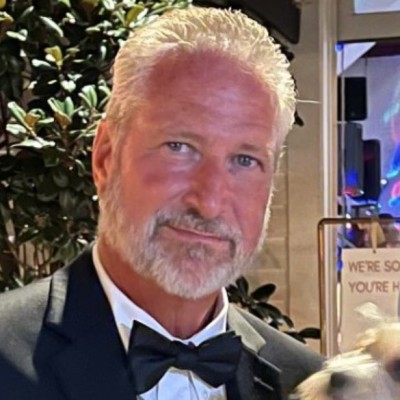
Norman Kravitz is a logistics and fulfillment expert with extensive experience in e-commerce supply chains, currently serving as CEO and Founder of FulfillMe, a technology-enabled 3PL provider. Beginning his career at the United States Postal Service and later leading operations at Ddu Express, he has deep expertise in freight forwarding, inventory management, and cost optimization. Norman’s strategic approach to logistics operations and e-commerce fulfillment positions him as a trusted authority in the 3PL industry.