
The healthcare industry depends on reliable logistics to ensure medical supplies and equipment reach providers, distributors, and customers quickly. From diagnostic tools to home healthcare devices, these products move through complex supply chains that require organized inventory management, accurate order fulfillment, and dependable shipping.
As medical supply companies grow, many turn to third-party logistics providers (3PLs) to manage warehousing, fulfillment, and nationwide distribution. A 3PL allows businesses to focus on product development and customer relationships while experienced logistics teams manage storage, order processing, and shipping operations.
For companies distributing products across the United States, working with a fulfillment partner can simplify operations while supporting scalable growth.
What Medical Supply and Equipment Fulfillment Includes
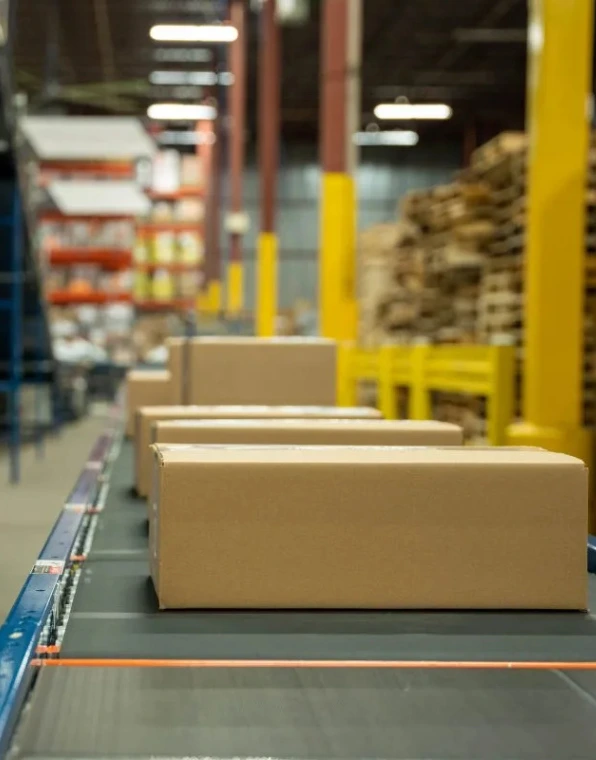
Medical supply fulfillment involves the storage, management, and distribution of healthcare products through organized warehouse operations. This process typically includes receiving inventory, storing products in designated locations, picking and packing orders, and coordinating shipments to customers or distributors.
Healthcare products vary widely in size and handling requirements. Some items are small diagnostic tools or personal health devices, while others are larger pieces of equipment that require reinforced packaging or freight shipping.
Examples of products commonly distributed through medical fulfillment operations include:
- diagnostic tools
- home health monitoring devices
- mobility products
- rehabilitation equipment
- personal healthcare devices
- medical consumables and supplies
Because of the variety of product types, fulfillment providers must maintain flexible warehouse layouts and efficient inventory management systems to support different storage and shipping needs.
Why Medical Supply Companies Work With 3PL Providers
Managing logistics internally can become expensive and operationally complex as companies grow. Warehousing, staffing fulfillment teams, and coordinating transportation networks all require significant resources.
Third-party logistics providers allow businesses to access established infrastructure without building their own distribution networks.
Working with a 3PL provides several advantages, including:
- warehouse storage and inventory organization
- professional pick-and-pack fulfillment operations
- integrated technology for order and inventory tracking
- access to established shipping carrier networks
- scalable logistics infrastructure
By outsourcing logistics operations, medical supply companies can focus internal resources on product innovation, regulatory requirements, and sales growth.
Inventory Management and Supply Chain Visibility
Accurate inventory management is essential for healthcare logistics. Hospitals, clinics, distributors, and consumers rely on consistent access to medical supplies, making reliable inventory systems critical.
Modern fulfillment centers use warehouse management systems and barcode scanning technology to track products throughout the supply chain. These systems allow logistics teams to verify items during picking, monitor stock levels in real time, and maintain clear records of product movement.
This level of visibility provides several advantages for growing companies:
- improved inventory accuracy
- better demand forecasting
- reduced order fulfillment errors
- greater transparency across logistics operations
With strong inventory systems in place, businesses can maintain product availability while scaling distribution operations more efficiently.
Handling a Wide Range of Medical Products
Medical supply logistics often involves storing and shipping products with different sizes, packaging requirements, and handling considerations.
For example, a single company may distribute both small medical accessories and larger pieces of durable medical equipment.
Common product categories in healthcare logistics include:
Small products
- testing kits
- thermometers
- protective equipment
Medium-sized devices
- blood pressure monitors
- diagnostic tools
- home health monitoring equipment
Larger equipment
- mobility aids
- rehabilitation devices
- patient care equipment
A well-organized warehouse layout allows fulfillment providers to manage these different product types while maintaining efficient picking and packing processes.
Packaging and Product Protection
Medical products must arrive in excellent condition to remain usable and reliable. Proper packaging plays a critical role in protecting items during storage and transit.
Fulfillment teams typically select packaging materials based on the size and fragility of each product. Protective inserts may be used for delicate equipment, while reinforced packaging helps secure heavier items.
Common packaging practices include:
- protective inserts for fragile devices
- reinforced boxes for heavier equipment
- secure packaging for smaller components
- careful palletization for larger shipments
These steps help reduce damage during transportation and ensure products arrive safely.
Supporting Both B2B and eCommerce Distribution
Healthcare distribution models have expanded in recent years. While many medical products continue to be sold through hospitals, distributors, and healthcare providers, more products are now reaching customers through direct-to-consumer eCommerce channels.
Examples include home health monitoring devices, wellness technology, and personal diagnostic equipment.
Because of this shift, logistics operations must support both traditional B2B shipments and individual consumer orders.
B2B shipments may involve palletized freight deliveries, while eCommerce orders require pick-and-pack fulfillment for individual shipments. A flexible fulfillment partner can manage both types of distribution within a single logistics infrastructure.
Strategic Fulfillment Locations Improve Delivery Speed
Where inventory is stored plays an important role in delivery speed and shipping costs.
Companies that distribute products nationwide often benefit from placing inventory in multiple fulfillment hubs rather than relying on a single warehouse. This approach positions products closer to customers and reduces shipping distances.
Strategic warehouse placement can provide several advantages:
- faster delivery timelines
- lower transportation costs
- improved shipping reliability
- better coverage across major population centers
For growing medical supply companies, a well-positioned fulfillment network helps support efficient nationwide distribution.
FulfillMe: Supporting Growing Product Companies
At FulfillMe, we work with growing product companies that need reliable logistics infrastructure to support expanding distribution operations.
Our fulfillment services are designed to simplify inventory management and order processing while providing efficient shipping coverage across the United States.
FulfillMe services include:
- secure warehouse storage
- pick-and-pack order fulfillment
- inventory tracking and reporting
- eCommerce platform integrations
- Amazon FBA preparation
- nationwide shipping coordination
These capabilities allow businesses to scale operations without needing to build internal warehouse and logistics infrastructure.
Strategic FulfillMe Locations
FulfillMe operates from strategically positioned fulfillment locations that help businesses reach customers across the United States more efficiently.
Our logistics network includes operations in:
Florida
Supporting distribution across the Southeast while providing strong access to international shipping routes.
Tennessee
A central logistics hub that provides efficient coverage throughout the Southeast and Mid-Atlantic regions.
Mid-Atlantic distribution coverage
Allowing faster shipping to major East Coast population centers.
Kansas City
A key Midwest logistics hub that enables efficient nationwide distribution.
Together, these locations help FulfillMe support faster delivery and reliable coverage for companies shipping products across multiple regions.
Frequently Asked Questions About Medical Supply Fulfillment
What is medical supply fulfillment?
Medical supply fulfillment refers to the logistics process of storing, managing, and shipping healthcare products from a warehouse to distributors, healthcare providers, or individual customers.
Why do medical supply companies use 3PL providers?
Many companies partner with third-party logistics providers because building internal warehousing and fulfillment operations requires significant investment. A 3PL provides established infrastructure, technology, and logistics expertise that support scalable distribution.
What types of products require medical fulfillment services?
Medical fulfillment providers support a wide range of healthcare products, including diagnostic equipment, home healthcare devices, mobility products, and other medical supplies used by healthcare providers and consumers.
Can a 3PL support both B2B and direct-to-consumer orders?
Yes. Many fulfillment providers manage both bulk shipments to distributors or healthcare organizations and individual orders placed through eCommerce platforms.
Why do fulfillment locations matter?
Warehouse location affects shipping speed and transportation costs. Storing inventory in strategic regions allows companies to position products closer to customers and reduce delivery times.
Final Thoughts
Medical supply and equipment companies rely on dependable logistics to support growing distribution networks. From organized inventory management to accurate order fulfillment and reliable shipping, strong logistics operations help ensure products reach customers efficiently.
As companies expand, working with a third-party logistics provider can simplify fulfillment while improving operational efficiency and nationwide shipping coverage.
With the right logistics partner, businesses can focus on product innovation and growth while experienced fulfillment teams manage the operational side of distribution.