Why Outsourcing Fulfillment Doesn’t Mean Losing Control
When eCommerce brands first consider outsourcing fulfillment, the question of control often arises. Handing over inventory, order processing, and shipping to a third-party logistics provider (3PL) can feel like relinquishing a crucial part of your business.
This perception comes from outdated logistics models. In the past, outsourced warehouses relied heavily on spreadsheets, phone calls, and manual reporting. Brands had limited insight into day-to-day operations.
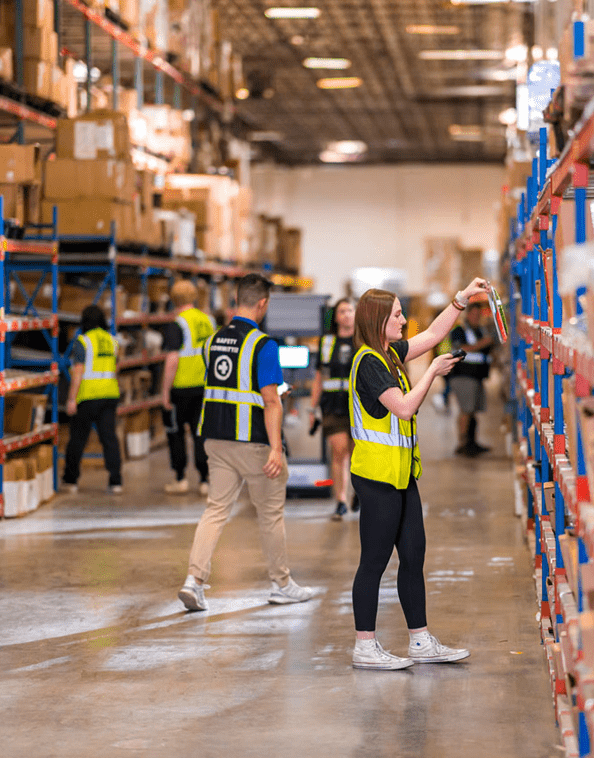
Modern 3PLs operate differently. They use technology-enabled warehouses, automated reporting, and integrated dashboards to give brands real-time visibility and control. Outsourcing fulfillment today is not about stepping away from your operations — it’s about gaining a clearer, more strategic view of your logistics.
By leveraging the right fulfillment partner, brands can scale efficiently while maintaining complete oversight of inventory, orders, and shipments.
How Outsourcing Fulfillment Gives Brands More Control
The right 3PL doesn’t just store and ship your products. It provides a framework for transparent, data-driven logistics management.
Here’s how outsourcing fulfillment actually increases control:
Real-Time Inventory Tracking
Inventory management is a central challenge for growing eCommerce businesses. Without accurate visibility, brands risk overselling products, missing restock opportunities, or delaying orders while locating inventory.
Modern 3PLs provide real-time dashboards with detailed information:
- Inventory levels by SKU, color, size, or variant
- Inventory allocated to pending orders
- Incoming shipments and receiving status
- Low-stock alerts and replenishment notifications
This allows brands to plan promotions confidently, avoid stockouts, and maintain accurate product availability across multiple sales channels.
Example: A growing skincare brand with multiple SKUs across online and wholesale channels can avoid selling products that are already allocated to orders by using real-time inventory visibility.
Order-Level Fulfillment Transparency
Another key way 3PLs give control is through order-level tracking.
Instead of wondering if an order has shipped, brands can see each step in the fulfillment process:
- Order received
- Items picked from inventory
- Packed and labeled
- Shipped and handed to carriers
This visibility allows operations teams to identify delays or errors before they impact customers, reducing service issues and improving operational efficiency.
Pro Tip: Brands that track fulfillment progress can proactively notify customers about delays, which enhances trust and satisfaction.
Centralized Shipping and Carrier Visibility
Shipping is often the most visible part of fulfillment for customers. Consumers expect fast delivery, accurate tracking, and predictable arrival dates.
A 3PL integrates with multiple carriers, providing a single dashboard for monitoring:
- Tracking numbers and real-time delivery status
- Estimated arrival dates
- Carrier performance analytics
Centralized shipping data makes it easier for brands to manage customer expectations, optimize carrier choices, and ensure a smooth shipping experience.
Example: An apparel brand shipping internationally can monitor multiple carriers at once, avoiding missed deliveries and reducing customer complaints.
Reporting and Operational Analytics
Control isn’t just about real-time updates — it’s also about understanding trends and improving performance.
Advanced fulfillment platforms provide analytics for:
- Order processing volumes and peak periods
- Shipping costs and carrier efficiency
- Inventory turnover and SKU performance
- Returns and reverse logistics
These insights allow brands to identify operational inefficiencies, optimize inventory allocation, and reduce unnecessary costs.
Example: A beauty brand can analyze SKU turnover to determine which products need faster restocking or more warehouse allocation.
Scaling Operations Without Losing Oversight
As eCommerce businesses grow, logistics complexity increases. Multiple sales channels, seasonal demand spikes, and product variety can overwhelm internal teams.
By outsourcing fulfillment to a technology-enabled 3PL, brands gain scalable infrastructure while maintaining control over:
- Inventory across multiple locations
- Order processing across multiple sales channels
- Shipping performance metrics
- Returns and customer experience
This combination of technology, expertise, and operational transparency allows brands to focus on growth, marketing, and product development instead of warehouse logistics.
Apparel and Fashion Brands: Why Control Matters
Apparel and fashion brands face unique logistics challenges due to SKU complexity. Each product exists in multiple sizes, colors, and variations, making accurate inventory tracking essential.
Without full visibility, brands may encounter:
- Overselling specific sizes or variants
- Stock imbalances across sales channels
- Delays in launching seasonal collections
- Difficulty managing returns
A technology-enabled 3PL provides SKU-level visibility, helping fashion brands maintain control over every variation and optimize warehouse workflows.
Control and Visibility Lead to Better Customer Experiences
Visibility in logistics isn’t just about internal operations — it directly impacts the customer experience.
Brands with full insight into fulfillment can:
- Provide accurate delivery estimates
- Notify customers proactively about delays
- Respond quickly to inquiries about order status
- Handle returns efficiently
When fulfillment runs smoothly, customers feel confident and satisfied, which drives repeat purchases and positive reviews.
How FulfillMe Helps Brands Gain Control
At FulfillMe, transparency and control are central to our approach. Our platform gives clients:
- Real-time visibility into inventory across fulfillment centers
- Order-level tracking from pick to delivery
- Shipping performance monitoring and analytics
- Operational insights to optimize workflows
By outsourcing fulfillment to FulfillMe, brands gain more control, not less, while benefiting from scalable infrastructure and logistics expertise.
FAQ: Outsourcing Fulfillment and Logistics Control
Does outsourcing fulfillment mean losing control?
No. Modern 3PLs provide dashboards and reporting tools that allow brands to track inventory, orders, and shipments in real time, often offering more control than internal operations.
How does a 3PL increase logistics visibility?
Through technology-enabled warehouses, integrated shipping platforms, and reporting tools, brands can monitor inventory levels, order processing, and shipments from a centralized platform.
Can outsourcing fulfillment help eCommerce brands scale?
Yes. A fulfillment partner provides scalable infrastructure and logistics expertise, allowing businesses to handle higher order volumes without building internal systems.
What should brands look for in a fulfillment partner?
Key considerations include technology capabilities, real-time inventory visibility, shipping integrations, reporting tools, and experience supporting eCommerce growth.
How does logistics visibility improve customer experience?
Greater visibility allows brands to provide accurate delivery estimates, proactive notifications, and fast responses to inquiries, leading to better satisfaction and repeat business.
Is fulfillment control important for seasonal or high-volume periods?
Absolutely. Seasonal peaks and promotional events require accurate inventory, order, and shipping visibility. The right 3PL ensures brands can manage high demand without losing oversight.