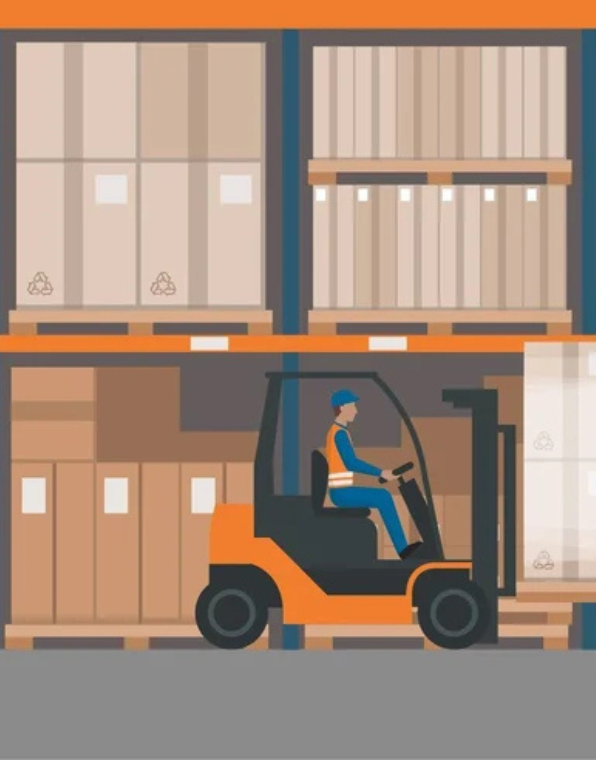
As ecommerce businesses grow, fulfillment becomes one of the most important factors influencing customer satisfaction, operational efficiency, and profitability. A fulfillment strategy that works for shipping 20 orders a day may struggle to support 200—or 2,000. That’s why many businesses eventually face the same question: Should you continue managing logistics in-house or partner with a third-party logistics (3PL) provider?
The answer depends on your business goals, order volume, available resources, and long-term growth plans. While in-house logistics offers greater control, it also requires significant investments in warehouse space, labor, technology, and inventory management. A 3PL, on the other hand, provides access to established fulfillment infrastructure, logistics expertise, and scalable operations without the burden of managing everything internally.
In this guide, we’ll compare 3PL vs. in-house logistics, explore the advantages and challenges of each model, and help you determine which approach best supports your business today—and as it grows.
What Is In-House Logistics?
In-house logistics means your business manages every aspect of the fulfillment process internally. Instead of outsourcing warehousing and shipping, your team is responsible for receiving inventory, storing products, processing orders, packing shipments, coordinating with carriers, handling returns, and maintaining inventory accuracy.
Many businesses begin this way because it’s cost-effective at a smaller scale. Shipping products from a garage, office, or small warehouse gives owners complete visibility into daily operations while keeping fulfillment close to the business.
As order volume increases, however, managing logistics internally becomes significantly more demanding. Businesses often need to invest in larger facilities, warehouse equipment, software, additional staff, and more sophisticated inventory management processes.
Common responsibilities of in-house logistics include:
- Receiving inventory from suppliers
- Warehouse storage and organization
- Order picking and packing
- Shipping label creation
- Carrier management
- Inventory tracking
- Returns processing
- Customer service related to shipping
- Hiring and training warehouse employees
For some companies, maintaining complete operational control is worth the investment. For others, fulfillment becomes a distraction from activities that directly drive growth, such as product development, marketing, and customer acquisition.
What Is a 3PL?
A third-party logistics provider (3PL) manages some or all of a company’s fulfillment operations on its behalf. Rather than operating your own warehouse, you store inventory within the 3PL’s fulfillment centers, and they handle the day-to-day logistics of receiving inventory, processing orders, shipping products, and managing returns.
Modern 3PL providers do much more than simply pack boxes. They invest in warehouse management systems (WMS), automation, carrier relationships, and fulfillment technology that many growing businesses would find expensive or difficult to build independently.
For ecommerce brands, partnering with a 3PL allows internal teams to focus on growing the business instead of managing warehouse operations.
Typical services offered by a 3PL include:
- Inventory storage
- Order fulfillment
- Pick and pack services
- Shipping optimization
- Discounted carrier rates
- Returns processing
- Amazon FBA prep
- Kitting and assembly
- Subscription box fulfillment
- Inventory reporting
- Ecommerce platform integrations
- B2B and retail fulfillment
Providers like FulfillMe combine these services with dedicated account management and fulfillment expertise, helping businesses streamline operations while improving shipping performance.
3PL vs. In-House Logistics at a Glance
Both fulfillment models can support successful ecommerce businesses, but they differ significantly in terms of cost, scalability, operational complexity, and resource requirements.
| Feature | In-House Logistics | 3PL Fulfillment |
|---|---|---|
| Warehouse ownership | Business-owned or leased | Managed by 3PL |
| Staffing | Internal employees | Managed by provider |
| Technology | Purchased and maintained internally | Included with service |
| Carrier relationships | Business negotiates rates | Access to negotiated carrier discounts |
| Scalability | Requires additional investment | Scales with business growth |
| Shipping expertise | Built internally | Experienced logistics professionals |
| Capital investment | High | Lower upfront investment |
| Operational responsibility | Business manages everything | Shared with fulfillment partner |
While neither approach is universally better, each serves different business needs depending on growth stage and operational priorities.
Comparing Costs: 3PL vs. In-House Logistics
Cost is often one of the biggest factors when evaluating fulfillment options. At first glance, managing logistics internally may appear less expensive because there are no monthly fulfillment invoices. However, the true cost of in-house fulfillment extends far beyond warehouse rent.
Costs Associated with In-House Logistics
Operating your own fulfillment center typically includes:
- Warehouse lease or mortgage
- Shelving and storage equipment
- Packing supplies
- Warehouse management software
- Shipping software
- Employee wages and benefits
- Hiring and training
- Workers’ compensation insurance
- Utilities
- Equipment maintenance
- Security systems
- Carrier negotiations
- Inventory shrinkage
- Seasonal labor
Many of these costs remain fixed regardless of order volume, making it difficult to adjust expenses during slower periods.
Costs Associated with a 3PL
A 3PL generally uses a variable pricing model based on the services you use. Common fees include:
- Inventory storage
- Receiving shipments
- Pick and pack fulfillment
- Packaging materials
- Shipping charges
- Value-added services such as kitting or branded packaging
Because costs scale alongside order volume, businesses can avoid investing heavily in warehouse infrastructure before it’s necessary.
For many growing brands, this flexibility makes cash flow more predictable while reducing financial risk.
Technology and Fulfillment Software
Technology has become one of the biggest competitive advantages in modern fulfillment.
Managing fulfillment internally often requires investing in multiple systems, including:
- Warehouse Management Systems (WMS)
- Inventory Management Software
- Shipping Platforms
- Barcode Scanning Equipment
- Reporting Dashboards
- Carrier Integrations
- Ecommerce Platform Integrations
These systems require implementation, maintenance, upgrades, staff training, and ongoing support.
A modern 3PL has already made these investments.
Businesses gain access to enterprise-level fulfillment technology without purchasing or maintaining it themselves.
For ecommerce brands, this often means:
- Real-time inventory visibility
- Automated order routing
- Shipment tracking
- Faster order processing
- Lower fulfillment errors
- Improved reporting
- Easier integration with Shopify, Amazon, WooCommerce, BigCommerce, Walmart Marketplace, and other sales channels
Instead of building technology internally, businesses leverage systems that are already optimized for high-volume fulfillment.
Scalability: Planning for Growth
One of the biggest differences between in-house logistics and a 3PL is how each model supports growth.
When managing fulfillment internally, increasing order volume usually requires additional investment.
Growth often means:
- Leasing larger warehouse space
- Purchasing additional equipment
- Hiring more warehouse employees
- Expanding inventory storage
- Training new staff
- Increasing management responsibilities
These investments take time and often need to happen before additional revenue is fully realized.
A 3PL is designed to scale alongside your business.
As order volume increases, fulfillment capacity can often expand without requiring your team to lease another warehouse or significantly increase headcount. This flexibility is especially valuable during seasonal spikes, product launches, or rapid growth periods when order volume can fluctuate dramatically.
For fast-growing ecommerce businesses, scalability isn’t just about handling more orders—it’s about doing so without disrupting operations or compromising the customer experience.
Customer Experience: Why Fulfillment Matters More Than Ever
Customers have more choices than ever before, and shipping has become a key factor in purchasing decisions. Fast delivery, accurate orders, and transparent tracking are no longer nice-to-have features—they’re expected.
Whether you manage fulfillment in-house or work with a 3PL, your logistics operation directly influences your customer experience.
A strong fulfillment strategy helps businesses:
- Deliver orders on time
- Reduce shipping errors
- Provide accurate tracking information
- Process returns quickly
- Improve customer satisfaction
- Increase repeat purchases
Poor fulfillment, on the other hand, can quickly damage customer trust. Late deliveries, incorrect orders, damaged products, or difficult returns often lead to negative reviews and lost revenue.
As businesses grow, maintaining a consistent customer experience becomes increasingly difficult without scalable fulfillment processes in place.
Pros and Cons of In-House Logistics
Managing fulfillment internally offers several advantages, particularly for businesses with lower order volumes or highly specialized operational requirements.
Advantages
Complete Operational Control
Every aspect of the fulfillment process remains under your supervision, from inventory storage to packaging and shipping.
Greater Brand Customization
Businesses can easily implement unique packaging, promotional inserts, and custom workflows without coordinating with an external provider.
Immediate Access to Inventory
Products remain on-site, allowing teams to inspect inventory, fulfill special requests, or respond quickly to operational issues.
Flexibility for Specialized Products
Businesses selling highly customized, oversized, regulated, or fragile products may benefit from managing fulfillment internally.
Challenges
While in-house fulfillment provides control, it also introduces several operational challenges.
These often include:
- Higher overhead costs
- Hiring and retaining warehouse employees
- Managing warehouse operations
- Technology investments
- Inventory accuracy
- Carrier negotiations
- Limited scalability
- Increased management responsibilities
As order volume grows, fulfillment can consume more time and resources than many businesses anticipate.
Pros and Cons of Partnering with a 3PL
Third-party logistics providers are designed to help businesses simplify fulfillment while supporting long-term growth.
Advantages
Lower Capital Investment
Rather than leasing warehouses and purchasing equipment, businesses leverage existing fulfillment infrastructure.
Faster Scalability
Whether order volume doubles during the holidays or grows steadily throughout the year, a 3PL can often accommodate increased demand without requiring businesses to expand their own operations.
Logistics Expertise
Experienced fulfillment providers continuously optimize warehouse operations, shipping processes, and carrier selection.
Shipping Cost Savings
Many 3PL providers negotiate discounted shipping rates that individual businesses may not be able to secure on their own.
Technology Included
Warehouse management systems, inventory tracking, shipping software, and reporting tools are typically included as part of the service.
Considerations
Working with a fulfillment partner also requires choosing the right provider.
Businesses should evaluate factors such as:
- Industry experience
- Technology capabilities
- Warehouse locations
- Customer support
- Integration options
- Pricing transparency
- Scalability
- Service offerings
The right partnership can become a competitive advantage, while the wrong one can create operational challenges.
When In-House Logistics Makes Sense
Managing fulfillment internally can be an excellent option for certain businesses.
In-house logistics is often the best fit when:
- You’re fulfilling fewer than 100 orders per month.
- Products require specialized handling or assembly.
- Inventory turnover is relatively low.
- You already own warehouse space.
- Your fulfillment operation is closely tied to manufacturing.
- Maintaining complete operational control is a top priority.
Some businesses continue using in-house fulfillment successfully for years, particularly when logistics is a core competency rather than a supporting function.
However, as order volume increases, it’s important to periodically evaluate whether managing fulfillment internally continues to provide the best return on investment.
When a 3PL Is the Better Choice
For many ecommerce brands, outsourcing fulfillment becomes increasingly attractive as the business grows.
A 3PL may be the better choice if you:
- Are running out of warehouse space.
- Need to hire additional fulfillment staff.
- Spend more time shipping orders than growing your business.
- Sell across multiple ecommerce channels.
- Want to reduce shipping costs.
- Need faster nationwide delivery.
- Experience seasonal demand spikes.
- Plan to expand into retail or wholesale distribution.
- Require Amazon FBA prep or retail compliance.
- Want to improve inventory visibility and reporting.
Rather than continuing to invest in warehouse infrastructure, many businesses choose to partner with a fulfillment provider that already has the people, processes, and technology needed to support growth.
Can You Combine Both Models?
Absolutely.
Many successful ecommerce businesses use a hybrid fulfillment strategy.
For example, a company may:
- Fulfill custom or personalized products in-house.
- Use a 3PL for standard ecommerce orders.
- Store fast-moving inventory with a fulfillment partner.
- Handle local orders internally while outsourcing national distribution.
A hybrid approach provides flexibility while allowing businesses to focus internal resources where they add the most value.
As customer demand evolves, fulfillment strategies can evolve as well.
How FulfillMe Helps Growing eCommerce Brands Scale
At FulfillMe, we understand that fulfillment isn’t simply about moving products from one place to another. It’s about creating an operational foundation that supports sustainable growth, improves customer satisfaction, and protects profitability.
Our fulfillment solutions are designed to help businesses streamline operations without sacrificing flexibility or visibility.
FulfillMe offers:
Nationwide Fulfillment
Strategically located fulfillment centers help reduce shipping zones, lower transportation costs, and shorten delivery times.
Ecommerce Integrations
Connect seamlessly with leading platforms and marketplaces, including:
- Shopify
- Amazon
- WooCommerce
- BigCommerce
- Walmart Marketplace
- TikTok Shop
- Magento
Orders automatically flow into our fulfillment system, reducing manual work and improving order accuracy.
Amazon FBA Prep
We help sellers prepare inventory according to Amazon’s requirements, including labeling, packaging, bundling, and palletization.
Kitting and Assembly
Whether you’re creating promotional bundles, influencer kits, or subscription boxes, our team provides scalable kitting solutions that maintain consistency and accuracy.
Subscription Box Fulfillment
Recurring shipments require dependable processes and attention to detail. FulfillMe supports subscription brands with reliable fulfillment designed to scale alongside demand.
Returns Processing
Efficient reverse logistics help businesses recover inventory more quickly while creating a better post-purchase experience for customers.
Inventory Visibility
Real-time inventory reporting provides greater visibility into stock levels, order activity, and warehouse performance.
Dedicated Account Management
Every growing business has unique fulfillment needs. Our experienced team works closely with clients to optimize operations and identify opportunities for continued improvement.
Whether you’re shipping hundreds of orders each month or preparing for national expansion, FulfillMe provides the fulfillment expertise and infrastructure needed to support long-term growth.
Frequently Asked Questions
What is the difference between a 3PL and in-house logistics?
In-house logistics means a business manages warehousing, inventory, fulfillment, and shipping internally. A 3PL provides these services on the business’s behalf, allowing companies to leverage established warehouses, technology, and logistics expertise.
Is a 3PL cheaper than managing fulfillment in-house?
It depends on order volume, operational complexity, and available resources. While businesses pay service fees to a 3PL, many reduce overall costs by avoiding warehouse leases, labor expenses, technology investments, and carrier negotiations.
When should a business switch to a 3PL?
Many businesses begin evaluating a 3PL when warehouse space becomes limited, shipping volume increases, order fulfillment consumes too much time, or customer expectations require faster and more efficient delivery.
Can a 3PL integrate with Shopify and Amazon?
Yes. Most modern 3PL providers integrate with leading ecommerce platforms and marketplaces, allowing orders, inventory, and shipment information to synchronize automatically.
Does outsourcing fulfillment reduce control?
Not necessarily. While warehouse operations are managed by the fulfillment provider, businesses typically maintain full visibility into inventory, orders, and shipping through integrated reporting and warehouse management systems.
What types of businesses benefit most from a 3PL?
Growing ecommerce brands, subscription box companies, Amazon sellers, wholesalers, and businesses experiencing rapid order growth often benefit from partnering with a 3PL because it provides scalability without requiring major investments in warehouse infrastructure.
Final Thoughts
Choosing between 3PL vs. in-house logistics isn’t simply about deciding who ships your products—it’s about selecting a fulfillment strategy that aligns with your business goals, operational capabilities, and future growth plans.
In-house logistics offers maximum control and can work well for businesses with lower order volumes, specialized products, or existing warehouse resources. However, as operations become more complex, the costs and management responsibilities associated with running a fulfillment operation often increase significantly.
A third-party logistics provider offers an alternative path. By leveraging established fulfillment infrastructure, experienced logistics professionals, advanced technology, and optimized shipping networks, businesses can scale more efficiently while focusing on what they do best: growing their brand and serving their customers.
At FulfillMe, we help ecommerce businesses simplify fulfillment through scalable solutions that include nationwide order fulfillment, Amazon FBA prep, subscription box fulfillment, kitting and assembly, returns processing, and seamless ecommerce integrations. Whether you’re evaluating your first fulfillment partner or looking to improve an existing operation, our team is here to help you build a logistics strategy that supports long-term success.

Don Cummings is a seasoned logistics and fulfillment executive, serving as Vice President of Sales and Marketing at FulfillMe. He brings a proven track record of building high-performing national sales teams and implementing sales enablement strategies that align commercial objectives across sales and marketing functions. With early career experience at the United States Postal Service and Stamps.com, Don combines deep operational insight with strategic leadership to drive scalable growth solutions in the 3PL and e-commerce sectors.