The third-party logistics industry is entering another period of change. Ecommerce growth, evolving customer expectations, new technology, and ongoing supply chain pressures are influencing how businesses store, manage, and deliver products. For companies that rely on outside fulfillment providers, these changes affect more than shipping costs. They influence inventory planning, customer experience, operational flexibility, and the ability to scale.
In 2027, the most important 3PL trends will extend beyond warehouse operations. Artificial intelligence, automation, workforce development, supply chain visibility, and returns management are changing how logistics providers operate and how they work with their clients.
These developments also raise an important question for ecommerce businesses: Is your current fulfillment operation prepared for what comes next?
Here are seven 3PL and ecommerce fulfillment trends worth watching in 2027, along with what they could mean for businesses and their logistics partners.
1. AI Is Becoming More Practical Across Logistics Operations
Artificial intelligence is moving beyond experimentation and into practical logistics applications. Rather than serving as a standalone technology initiative, AI is increasingly being used to help businesses make better operational decisions, identify potential disruptions, and improve planning.
For 3PL providers, this could mean using predictive analytics to identify inventory patterns, anticipate demand changes, and flag potential supply chain risks. AI-supported forecasting can help businesses make more informed decisions about replenishment and inventory positioning.
Other applications include:
- Demand forecasting: Analyzing historical orders and purchasing patterns to anticipate future demand.
- Inventory planning: Identifying products that may be approaching stockout or overstock conditions.
- Operational analysis: Reviewing order volumes and warehouse activity to identify inefficiencies.
- Risk identification: Highlighting potential disruptions before they affect fulfillment performance.
- Customer support: Helping teams access information and respond to common operational questions more efficiently.
The value of AI in logistics will depend on how effectively it is integrated into existing workflows. Businesses should look beyond whether a provider uses AI and ask how technology improves visibility, accuracy, planning, and service.
AI is unlikely to replace the people responsible for managing complex fulfillment operations. Instead, its greatest value may come from giving those teams better information and more time to focus on decisions that require experience and judgment.
2. Warehouse Automation Will Continue to Expand
Warehouse automation remains one of the most visible developments in the 3PL industry. As order volumes fluctuate and customers expect faster delivery, logistics providers are looking for ways to improve productivity, accuracy, and consistency.
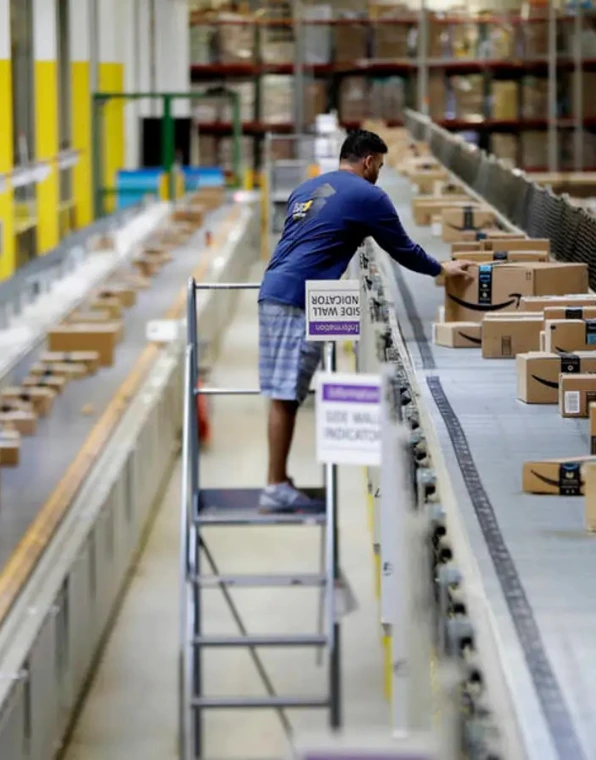
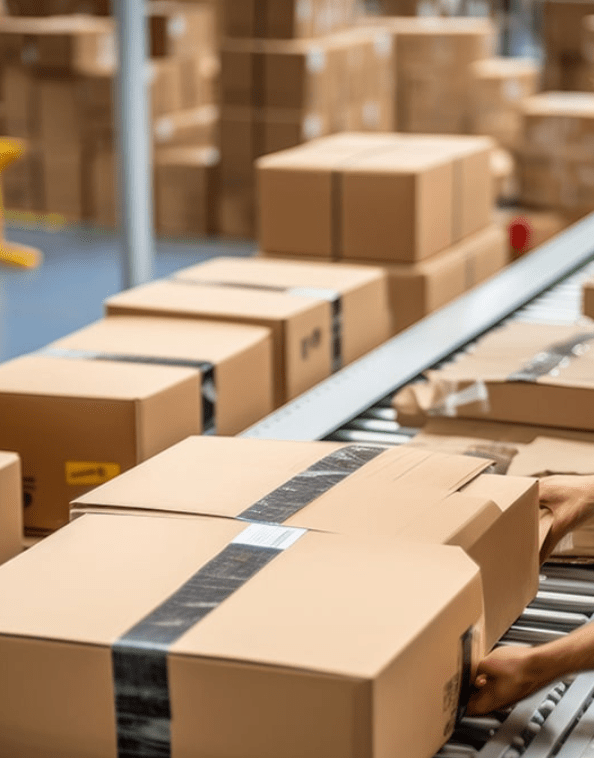
Automation can take many forms. Some facilities use advanced conveyor systems, automated storage and retrieval technology, robotics, or automated sorting equipment. Others focus on smaller improvements, such as barcode scanning, inventory tracking, and software that helps warehouse employees prioritize tasks.
Not every warehouse needs the same level of automation. The right investment depends on product characteristics, order volume, facility design, and the complexity of the operation.
| Automation Application | Potential Operational Benefit |
|---|---|
| Automated sorting | Helps organize packages and orders more efficiently |
| Barcode scanning | Improves inventory tracking and order accuracy |
| Warehouse management systems | Coordinates inventory, picking, packing, and shipping activity |
| Robotics and material handling | Reduces repetitive movement and supports warehouse productivity |
| Automated reporting | Gives operations teams faster access to performance information |
For ecommerce businesses, the important consideration is not how much automation a 3PL has installed. It is whether the provider’s processes can handle the business’s specific products, order patterns, and service requirements.
A well-managed operation that combines appropriate technology with experienced employees can be just as important as a facility with extensive automation.
3. Labor Efficiency and Workforce Development Will Remain Priorities
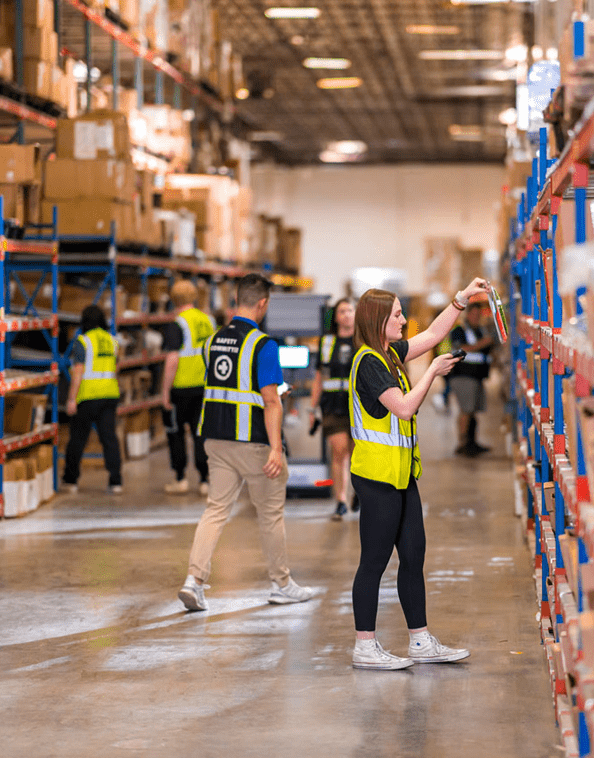
Technology is changing warehouse operations, but people remain central to fulfillment. Picking, packing, receiving, inventory management, quality control, and customer support all depend on employees who understand the operation and can respond when something unexpected happens.
Labor availability, training, retention, and productivity will continue to influence how 3PL providers manage their facilities in 2027.
As fulfillment operations become more complex, providers need employees who can work with modern warehouse systems, follow consistent procedures, and adapt to changing customer requirements. Training and workforce development are therefore important parts of operational performance.
Businesses evaluating a fulfillment partner should consider more than facility size and equipment. They should also understand how the provider manages its teams and maintains service consistency.
Questions worth asking include:
- How are warehouse employees trained on customer-specific requirements?
- What processes are used to maintain picking and packing accuracy?
- How does the provider manage seasonal volume increases?
- Who oversees daily operations and resolves fulfillment issues?
- Is there a dedicated account management contact?
The human side of fulfillment can be a meaningful differentiator. Technology helps operations run efficiently, but experienced teams and responsive communication help ensure that customers receive the level of service they expect.
4. Supply Chain Visibility Will Extend Beyond the Warehouse
Visibility has become an important part of logistics management. Businesses want to know where inventory is located, how orders are progressing, and whether potential issues could affect delivery expectations.
In 2027, the focus will increasingly be on connecting information across different parts of the supply chain rather than looking at warehouse activity in isolation.
For example, inventory visibility is more useful when it helps a business understand what is available to sell, what needs replenishment, and how current order activity compares with expectations. Similarly, shipping information is more valuable when it helps teams identify delays and communicate proactively with customers.
Useful visibility capabilities may include:
- Inventory availability and stock-level reporting.
- Order status and fulfillment progress.
- Receiving and inbound inventory updates.
- Shipment tracking and delivery information.
- Performance reporting and exception notifications.
The quality of this information matters as much as its availability. Businesses need accurate, timely reporting that helps them make decisions rather than simply providing another dashboard to monitor.
A strong 3PL relationship should also include regular communication. When inventory discrepancies, shipping delays, or unusual order patterns arise, businesses need to know who is addressing the issue and what steps are being taken.
5. Supply Chain Resilience Will Influence Fulfillment Decisions
Recent years have demonstrated how quickly supply chain disruptions can affect product availability, transportation costs, and customer commitments. Changes in trade policy, transportation capacity, weather events, and global demand can all create uncertainty.
As a result, businesses are paying closer attention to supply chain resilience. The goal is not to eliminate every possible disruption. It is to build operations that can respond when conditions change.
For ecommerce companies, fulfillment strategy is an important part of that effort. Inventory placement, warehouse location, shipping options, and the ability to adjust operating procedures can all influence how well a business responds to disruption.
| Potential Challenge | Fulfillment Consideration |
|---|---|
| Unexpected demand increases | Ability to accommodate changing order volumes |
| Transportation delays | Access to multiple shipping options and clear communication |
| Inventory imbalances | Accurate inventory reporting and replenishment planning |
| Regional disruptions | Multiple fulfillment locations where appropriate |
| Seasonal peaks | Flexible staffing and operational planning |
| Changing business requirements | A provider willing to adjust processes as the business evolves |
A multi-location fulfillment strategy may help some businesses position inventory closer to customers or reduce dependence on a single facility. However, additional locations also introduce inventory planning and coordination considerations.
The right approach depends on a company’s customer base, product mix, shipping profile, and growth plans. A 3PL should be able to help evaluate those factors rather than recommend a one-size-fits-all solution.
6. Returns Management Will Become an Even Bigger Part of Fulfillment Strategy
Returns are an unavoidable part of ecommerce. But how businesses manage them can have a significant effect on operating costs, inventory availability, and customer satisfaction.
Reverse logistics includes the processes involved in receiving returned products, inspecting them, determining their condition, and deciding what happens next. Depending on the product and business requirements, that may involve restocking, repackaging, disposal, or additional processing.
As ecommerce businesses look for ways to improve efficiency, returns management deserves the same attention as outbound fulfillment.
An effective returns process should address several key areas:
- Receiving: Recording returned products accurately when they arrive.
- Inspection: Evaluating product condition and identifying damage or missing components.
- Disposition: Determining whether products can be returned to sellable inventory or require another action.
- Inventory updates: Ensuring inventory records reflect the status of returned merchandise.
- Reporting: Identifying return patterns that may point to product or operational issues.
Returns can also provide useful business information. If certain products are consistently returned because of sizing, packaging, or product-description issues, that information can help businesses identify opportunities to improve the customer experience.
A fulfillment partner that supports returns processing can help businesses manage this part of the operation without having to build and maintain all the necessary processes internally.
7. The 3PL Relationship Will Matter as Much as the Technology
Technology, automation, and operational capabilities are important when selecting a logistics provider. But the relationship between a business and its 3PL can have just as much influence on long-term performance.
Fulfillment requirements are rarely static. A company may introduce new products, expand into additional sales channels, experience seasonal volume changes, or need new packaging and kitting services. Its logistics operation needs to adapt along with the business.
That requires more than a provider that simply receives orders and ships packages. It requires communication, accountability, and a willingness to understand the client’s goals.
A strong 3PL relationship should include:
- Consistent communication: Access to people who understand the account and can address questions.
- Operational flexibility: Processes that can adapt as order volumes and business requirements change.
- Account management: A clear point of contact who understands the operation.
- Problem-solving: A team that works with the client to address issues and improve processes.
- Long-term planning: Regular discussions about growth, inventory, and changing fulfillment needs.
This is particularly important for growing ecommerce businesses. A provider that works well at one stage of growth may not automatically be the right fit as the business becomes more complex.
The best fulfillment relationships are built around shared goals. The provider understands the business, the business knows who to contact, and both sides work together to maintain an effective operation.
What These 3PL Trends Mean for Ecommerce Businesses in 2027
These trends point to a broader change in how businesses should evaluate fulfillment. Price and shipping speed remain important, but they are only part of the decision.
Companies should also consider whether a provider has the operational experience, technology, communication, and flexibility to support their business as it changes.
The following checklist can help businesses evaluate whether their current fulfillment operation is prepared for the year ahead.
| Business priority | What to evaluate in a 3PL |
|---|---|
| Technology and reporting | Does the provider offer useful inventory, order, and performance information? |
| Operational efficiency | Are warehouse processes designed to support accuracy and productivity? |
| Scalability | Can the operation accommodate growth and seasonal fluctuations? |
| Inventory management | Are receiving, tracking, and inventory updates handled consistently? |
| Returns processing | Can the provider manage returns and product disposition requirements? |
| Communication | Is there a responsive team and a clear account management structure? |
| Flexibility | Can services and workflows adapt as business needs evolve? |
Businesses do not necessarily need the most technologically advanced provider or the largest warehouse network. They need a fulfillment operation that matches their requirements today and can adapt as those requirements change.
How FulfillMe Helps Businesses Navigate a Changing 3PL Industry
As the 3PL industry evolves, the fundamentals of dependable fulfillment remain important: accurate inventory management, consistent order processing, reliable shipping, and responsive customer service.
FulfillMe brings 20 years of fulfillment experience to businesses looking for a logistics partner that understands the operational demands of ecommerce and other distribution models.
With three U.S. fulfillment locations, FulfillMe supports a range of business requirements, including ecommerce and direct-to-consumer fulfillment, B2B distribution, subscription orders, Amazon FBA preparation, kitting and assembly, and returns processing.
Just as importantly, FulfillMe emphasizes the relationship behind the operation. Clients have access to account management and a team that works to understand their products, processes, and goals. As businesses grow or their requirements change, fulfillment services can be evaluated and adjusted to support those needs.
The future of 3PL will involve more technology and increasingly sophisticated operations. But the right fulfillment partner will still be one that combines effective processes with people who understand the business.
Looking for a fulfillment partner that can support your business as it grows? Contact FulfillMe to discuss your fulfillment requirements.
Frequently Asked Questions About 3PL and Ecommerce Fulfillment Trends
What are the biggest 3PL trends for 2027?
Key 3PL trends for 2027 include the practical use of AI in logistics, warehouse automation, workforce development, greater supply chain visibility, resilience planning, improved returns management, and stronger relationships between businesses and fulfillment providers.
How is AI changing the 3PL industry?
AI is helping logistics providers analyze data, identify inventory patterns, improve demand forecasting, and support operational planning. Its value comes from helping teams make better-informed decisions and manage processes more efficiently.
Will warehouse automation replace fulfillment employees?
Warehouse automation is more likely to change how employees work than eliminate the need for people. Technology can support repetitive tasks and improve productivity, while employees continue to handle oversight, quality control, problem-solving, and customer-specific requirements.
Why is supply chain visibility important when choosing a 3PL?
Visibility helps businesses understand inventory levels, order progress, and potential fulfillment issues. Accurate and timely information supports better planning, customer communication, and inventory decisions.
What should businesses look for in a 3PL provider in 2027?
Businesses should evaluate operational experience, inventory management, technology and reporting, scalability, returns processing, service flexibility, and communication. A provider should be able to support current requirements while adapting as the business grows.
Why is returns management important for ecommerce fulfillment?
Returns management affects inventory availability, operating costs, and customer experience. A well-organized reverse logistics process helps businesses receive, inspect, and process returned products efficiently.
How can a 3PL help an ecommerce business scale?
A 3PL can provide warehouse space, fulfillment labor, inventory management, shipping coordination, and additional services without requiring a business to build and manage its own fulfillment infrastructure. The right provider can also adjust services as order volumes and operational requirements change.

Don Cummings is a seasoned logistics and fulfillment executive, serving as Vice President of Sales and Marketing at FulfillMe. He brings a proven track record of building high-performing national sales teams and implementing sales enablement strategies that align commercial objectives across sales and marketing functions. With early career experience at the United States Postal Service and Stamps.com, Don combines deep operational insight with strategic leadership to drive scalable growth solutions in the 3PL and e-commerce sectors.