Growing an ecommerce business involves much more than attracting customers and generating sales. Behind every order is a series of operations that must work together, from receiving inventory and managing stock to picking, packing, shipping, and processing returns.
As order volumes increase, these responsibilities become more complex. What once worked with a small warehouse or an in-house shipping team may become difficult to manage across multiple sales channels, product lines, and customer locations.
That’s where ecommerce fulfillment services come in.
By outsourcing fulfillment to a third-party logistics (3PL) provider, ecommerce brands can simplify daily operations, improve inventory visibility, and build a more scalable approach to order fulfillment.
But what does end-to-end ecommerce fulfillment actually include, and how do you know when it’s time to work with a fulfillment partner?
What Are Ecommerce Fulfillment Services?
Ecommerce fulfillment services manage the physical operations required to deliver products purchased online. These services typically include receiving inventory, warehousing, inventory management, order processing, picking and packing, shipping, and returns.
Rather than handling every step internally, businesses can partner with a 3PL that specializes in these activities.
The goal is to create a more efficient process from the moment products arrive at a fulfillment center until orders reach customers.
For example, an ecommerce brand selling through Shopify, Amazon, and Walmart may receive orders from several channels throughout the day. A fulfillment provider can help coordinate inventory and order processing so those sales channels connect to a consistent fulfillment operation.
This allows the brand to concentrate on product development, customer acquisition, merchandising, and growth while its fulfillment partner manages the logistics.
What Is End-to-End Ecommerce Fulfillment?
End-to-end ecommerce fulfillment refers to managing the complete physical order fulfillment process through a connected operation.
It starts before a customer places an order and continues after delivery when returns or exchanges are required.
The typical process includes:
- Receiving products from manufacturers or suppliers.
- Storing inventory in a fulfillment center.
- Tracking stock availability and incoming orders.
- Picking products when customers place orders.
- Packing and preparing shipments.
- Coordinating shipping through carrier services.
- Processing returns and updating inventory when applicable.
Each step affects the next.
An inventory discrepancy can delay an order. Poor warehouse organization can slow picking. Incorrect packaging can increase shipping expenses or create product damage.
End-to-end fulfillment brings these activities together, reducing the need for brands to manage separate warehouse and shipping operations.
It’s important to distinguish this from full-service ecommerce management. A 3PL generally manages logistics, while the brand retains responsibility for areas such as advertising, product pricing, marketplace listings, and overall sales strategy.
The Core Components of Ecommerce Fulfillment Services
Understanding what’s included in ecommerce fulfillment services helps businesses evaluate providers and identify opportunities to improve operations.
1. Inventory receiving and warehousing
Fulfillment begins when products arrive at a warehouse.
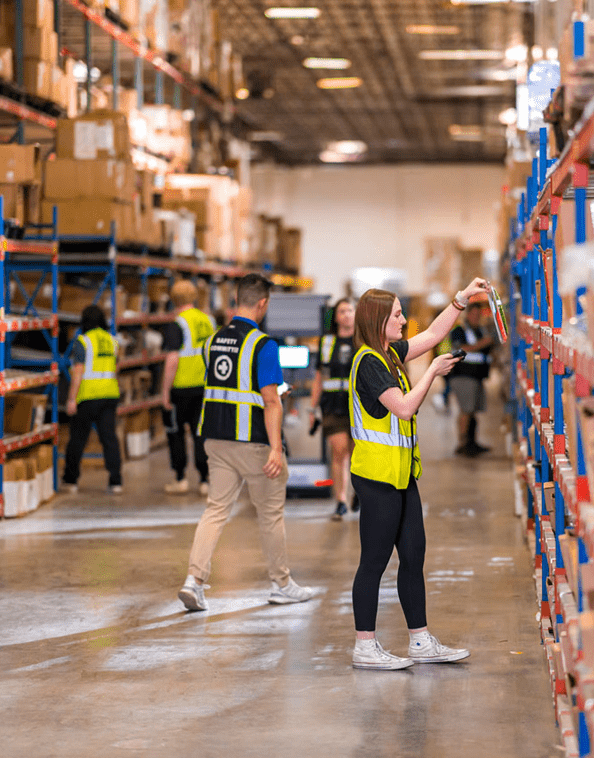
Incoming inventory must be received, counted, identified, and placed into appropriate storage locations. Accurate receiving helps establish reliable inventory records before products become available for sale.
Warehousing also involves organizing inventory for efficient access and order processing.
For growing brands, outsourcing storage can eliminate the need to lease additional warehouse space or invest in more equipment as inventory requirements change.
2. Inventory management and visibility
Inventory management connects ecommerce sales activity with warehouse operations.
Brands need to understand which products are available, which are running low, and where inventory is located.
A fulfillment provider with connected inventory management systems can help businesses monitor stock and maintain more consistent records across supported sales channels.
Better visibility supports purchasing decisions, replenishment planning, and the prevention of overselling.
For businesses selling through multiple marketplaces, accurate inventory information becomes increasingly important.
3. Order processing, picking, and packing
Once a customer places an order, fulfillment operations move into action.
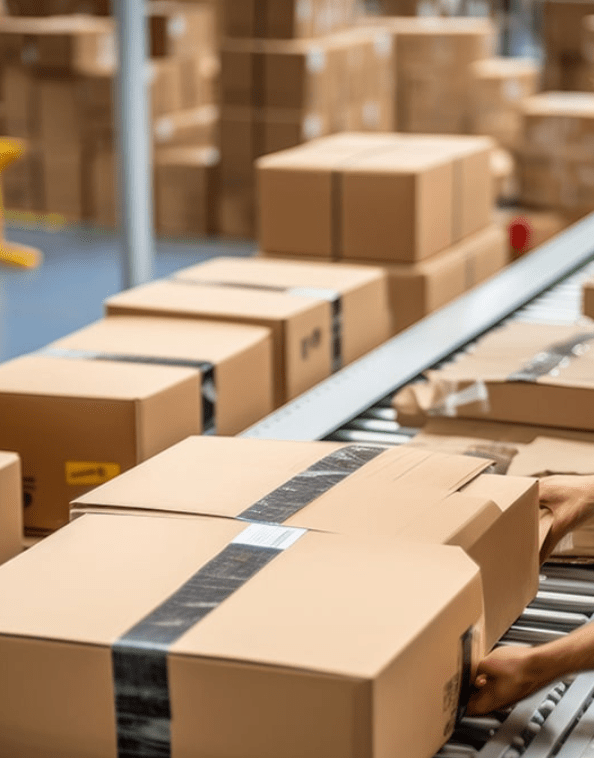
The order is received by the fulfillment system, the appropriate items are located, and the shipment is prepared.
Order complexity can vary considerably.
Some businesses ship single-item orders, while others require multiple products, custom packaging, promotional inserts, or bundled items.
A fulfillment partner should be able to understand these requirements and establish workflows that support the brand’s order profile.
Consistent picking and packing procedures help reduce errors and support a better customer experience.
4. Shipping and delivery coordination
Shipping is one of the most visible parts of the ecommerce customer experience.
Customers expect clear delivery information, reasonable shipping costs, and orders that arrive as promised.
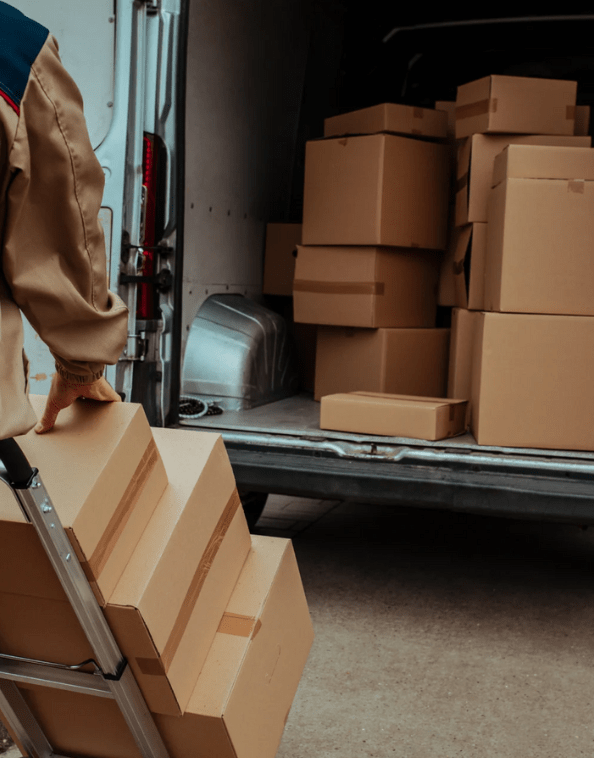
Fulfillment services help coordinate the process of preparing shipments and transferring them to carriers.
Shipping expenses depend on several factors, including package weight, dimensions, destination, delivery speed, and carrier selection.
Warehouse location also matters.
Distributing inventory across strategically located fulfillment centers can help brands position products closer to customers, potentially reducing transit distances and shipping costs.
5. Returns and reverse logistics
Ecommerce fulfillment doesn’t necessarily end when an order is delivered.
Returns are part of doing business online, particularly for brands selling products with variable customer preferences or frequent exchanges.
Returns processing may include receiving returned merchandise, inspecting products, documenting their condition, and following agreed procedures for restocking or disposition.
A defined returns process can help businesses recover usable inventory and maintain accurate records.
Brands evaluating a 3PL should confirm which returns services are included and how exceptions are handled.
6. Value-added fulfillment services
Many ecommerce businesses need more than standard pick-and-pack operations.
Depending on the provider, additional services may include kitting, assembly, subscription box preparation, promotional inserts, custom packaging, and marketplace preparation.
These activities can support product launches, subscription programs, seasonal promotions, and multichannel sales.
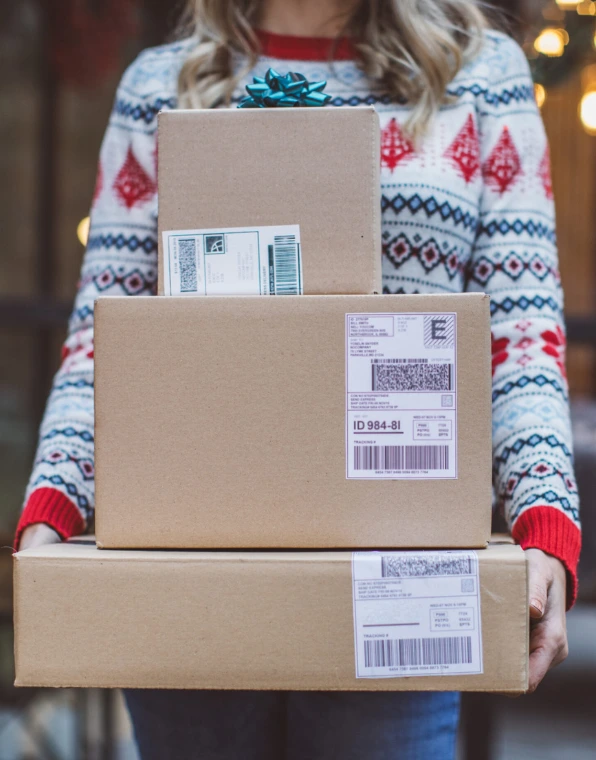
For example, a brand selling individual products may also want to offer bundled holiday gift sets without creating a separate internal assembly operation.
The ability to coordinate these requirements with fulfillment can simplify execution.
In-House Fulfillment vs. Outsourced Ecommerce Fulfillment
Many ecommerce brands begin by managing fulfillment internally.
This approach can work well when order volumes are manageable, product requirements are straightforward, and the business has sufficient warehouse capacity.
However, growth can introduce additional costs and operational demands.
The following comparison highlights key considerations.
| Factor | In-House Fulfillment | Outsourced 3PL Fulfillment |
|---|---|---|
| Warehouse space | Brand manages facilities and storage capacity | Uses the provider’s warehouse infrastructure |
| Staffing | Brand hires and manages fulfillment employees | Provider manages warehouse operations |
| Technology | Brand maintains fulfillment systems | Provider offers supported fulfillment systems and integrations |
| Order volume changes | May require additional space and labor | Capacity can be planned with the provider |
| Shipping | Brand coordinates carriers and shipments | Provider manages shipping workflows |
| Returns | Handled by the internal team | Can be managed through agreed returns services |
| Management time | Requires direct operational oversight | Brand focuses more on managing service performance |
Neither approach is automatically the right choice for every business.
The decision depends on order volume, product requirements, growth plans, operating costs, and the level of control the business wants to maintain.
For many growing ecommerce companies, outsourcing becomes attractive when fulfillment starts consuming resources that could otherwise support revenue-generating activities.
Why Ecommerce Brands Outsource Fulfillment to a 3PL
The value of outsourcing fulfillment extends beyond moving products into another warehouse.
A strong fulfillment relationship can improve how a business operates and responds to growth.
Reduce operational complexity
Running fulfillment internally requires coordinating facilities, employees, equipment, inventory systems, carriers, and daily order processing.
These responsibilities become more demanding as a business expands.
Working with a 3PL transfers much of that operational execution to a specialized provider, allowing internal teams to spend more time on their core business.
Support business growth
A successful promotion or new marketplace launch can generate a sudden increase in orders.
Without sufficient fulfillment capacity, growth may create shipping delays and customer service issues.
A 3PL can help brands plan for changing volumes and evaluate the resources needed to support anticipated demand.
Capacity, service levels, and seasonal requirements should always be discussed before significant volume increases.
Improve fulfillment consistency
Standardized receiving, inventory management, picking, packing, and shipping workflows can help reduce operational variability.
For brands selling across multiple channels, a consistent fulfillment process also makes it easier to coordinate daily operations.
Gain access to fulfillment expertise
Fulfillment providers work with warehouse processes, shipping requirements, and operational challenges every day.
That experience can help brands evaluate packaging, order workflows, inventory placement, and other factors that affect fulfillment efficiency.
The right partner should contribute practical guidance rather than simply provide warehouse space.
Focus resources on growth
Managing a warehouse takes time.
Business owners and ecommerce teams may find themselves addressing staffing schedules, shipping exceptions, inventory discrepancies, and operational issues instead of developing new products or acquiring customers.
Outsourcing fulfillment can help shift attention back toward sales, marketing, and customer relationships.
How Much Do Ecommerce Fulfillment Services Cost?
Ecommerce fulfillment pricing varies based on the products being handled and the services required.
There isn’t one standard price that applies to every ecommerce business.
Common cost categories include receiving, storage, pick-and-pack fees, packaging materials, shipping, returns, and additional services.
Several factors influence the total cost:
- Monthly order volume and seasonal fluctuations
- Number of products and average items per order
- Product dimensions and weight
- Inventory storage requirements
- Packaging and handling complexity
- Shipping destinations and service levels
- Returns volume and processing requirements
For example, a business shipping 2,000 small, single-item orders each month may have a very different cost structure from a company shipping the same number of large, multi-item orders.
This is why comparing fulfillment providers based only on a headline pick-and-pack fee can be misleading.
The most useful comparison is total fulfillment cost per order, including storage, handling, packaging, shipping, and any applicable additional fees.
Brands should also evaluate the operational value of outsourcing, including warehouse expenses, staffing requirements, and management time.
When Should You Outsource Ecommerce Fulfillment?
There is no universal order-volume threshold that determines when a brand should work with a 3PL.
Instead, businesses should look for signs that their current fulfillment model is becoming difficult to maintain.
These may include growing order volumes, insufficient storage space, frequent shipping delays, increasing labor requirements, or difficulty coordinating inventory across sales channels.
Another important signal is the amount of time management spends addressing fulfillment problems.
If warehouse operations are consistently pulling attention away from product development, marketing, and customer acquisition, outsourcing may be worth evaluating.
Businesses should also consider upcoming growth.
A brand preparing to expand into new marketplaces, introduce additional products, or launch a major promotional campaign may benefit from establishing a fulfillment relationship before demand increases.
How to Choose the Right Ecommerce Fulfillment Company
Not all ecommerce fulfillment companies offer the same capabilities, technology, service model, or level of support.
Before choosing a partner, brands should evaluate several areas.
Fulfillment center locations
Warehouse locations can influence shipping distances, delivery times, and inventory distribution.
Consider where your customers are located and whether the provider’s network aligns with your geographic demand.
Ecommerce integrations
Confirm that the provider supports your existing ecommerce platforms, marketplaces, and order management requirements.
Ask how inventory and order information moves between systems and how exceptions are handled.
Service capabilities
Review your current and anticipated fulfillment requirements.
If your business needs kitting, subscription fulfillment, custom packaging, or marketplace preparation, discuss those needs before onboarding.
Pricing transparency
Request a breakdown of receiving, storage, order processing, packaging, shipping, returns, and other applicable charges.
Compare quotes using your actual order and inventory profile.
Customer support and account management
Technology is important, but access to knowledgeable people matters too.
Understand who will manage your account, how operational issues are escalated, and what communication you can expect as your business grows.
A fulfillment partner should understand your products, sales channels, and business priorities.
Why Growing Brands Choose FulfillMe for Ecommerce Fulfillment
At FulfillMe, ecommerce fulfillment is about more than storing products and shipping orders.
It’s about building a fulfillment relationship that supports the way each business operates.
With 20 years of industry experience, FulfillMe provides technology-enabled 3PL services for ecommerce brands that need reliable operational support without managing every fulfillment detail internally.
Our services include inventory storage and management, ecommerce order fulfillment, pick and pack, shipping coordination, returns processing, kitting, subscription fulfillment, and marketplace preparation.
With fulfillment locations in Florida, Tennessee, and Missouri, FulfillMe helps brands evaluate inventory placement and distribution strategies based on their customer needs.
Just as important, we believe businesses should receive personal attention.
Our approach emphasizes dedicated account management, responsive communication, and fulfillment solutions built around each client’s operational requirements.
Whether you’re moving beyond in-house shipping, expanding into additional sales channels, or looking for a more supportive 3PL relationship, FulfillMe works with you to understand your needs and develop a practical fulfillment strategy.
Build an Ecommerce Fulfillment Operation That Supports Growth
Ecommerce growth creates opportunity, but it also introduces operational complexity.
Inventory must be available, orders must be processed accurately, shipping needs to remain dependable, and returns must be managed efficiently.
The right ecommerce fulfillment services bring these activities together, helping brands build more organized and scalable operations.
For businesses evaluating outsourcing, the goal shouldn’t be simply to find the lowest fulfillment rate. It should be to find a partner that understands the business, supports its requirements, and can help it prepare for what’s next.
Looking for a more reliable ecommerce fulfillment partner?
Contact FulfillMe to discuss your order volume, inventory requirements, and fulfillment goals. Our team can help you explore a solution that fits your business.
Frequently Asked Questions About Ecommerce Fulfillment Services
What are ecommerce fulfillment services?
Ecommerce fulfillment services include the operational activities required to process and ship online orders. These typically involve inventory receiving, warehousing, inventory management, picking, packing, shipping, and returns.
What is end-to-end ecommerce fulfillment?
End-to-end ecommerce fulfillment manages the complete physical fulfillment process, from receiving inventory and storing products to processing orders, coordinating shipping, and handling returns. It does not necessarily include ecommerce marketing, pricing, or marketplace management.
What is the difference between a 3PL and a fulfillment center?
A fulfillment center is a facility where inventory is stored and orders are processed. A 3PL is a company that provides outsourced logistics services, which may include fulfillment centers, inventory management, shipping coordination, and returns processing.
How much do ecommerce fulfillment services cost?
Costs depend on monthly order volume, product size and weight, storage needs, order complexity, shipping destinations, and additional services. Businesses should request pricing based on their actual fulfillment requirements.
When should an ecommerce business use a 3PL?
A business may benefit from a 3PL when order volumes increase, warehouse space becomes limited, shipping operations become difficult to manage, or internal teams need to focus more on growth. The right timing depends on operational complexity rather than order volume alone.
Can a 3PL fulfill orders from multiple ecommerce platforms?
Many 3PL providers support fulfillment across multiple ecommerce platforms and marketplaces. Businesses should verify specific integrations, inventory synchronization capabilities, and order processing requirements before selecting a provider.
How do I choose the best ecommerce fulfillment company?
Evaluate warehouse locations, technology integrations, service capabilities, pricing transparency, operational experience, and customer support. Choose a provider whose capabilities align with your products, order profile, and long-term growth plans.

Don Cummings is a seasoned logistics and fulfillment executive, serving as Vice President of Sales and Marketing at FulfillMe. He brings a proven track record of building high-performing national sales teams and implementing sales enablement strategies that align commercial objectives across sales and marketing functions. With early career experience at the United States Postal Service and Stamps.com, Don combines deep operational insight with strategic leadership to drive scalable growth solutions in the 3PL and e-commerce sectors.