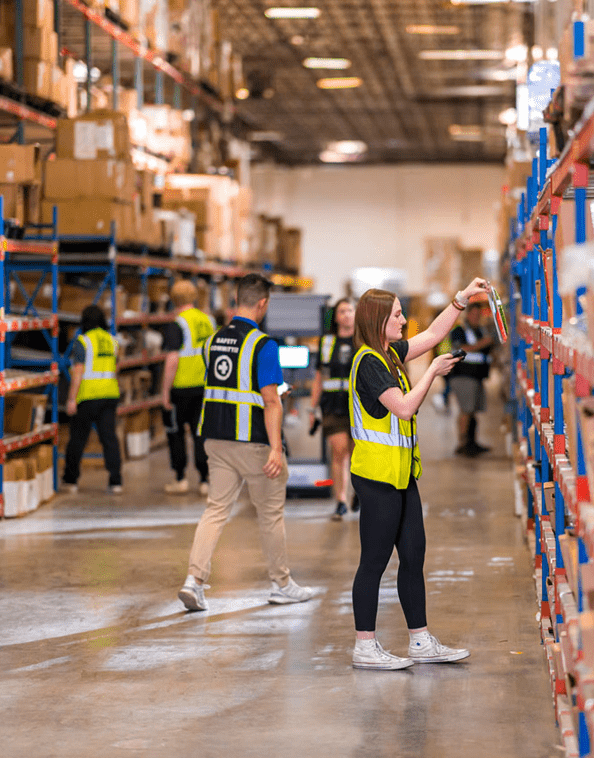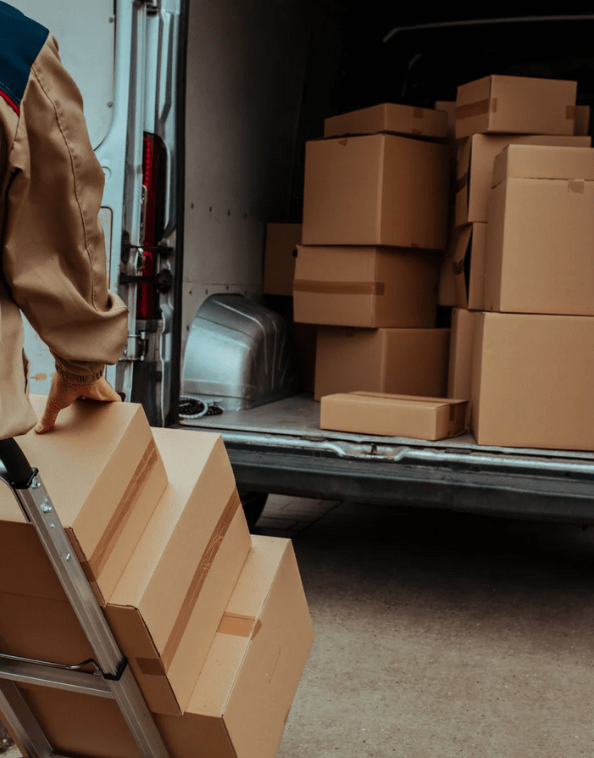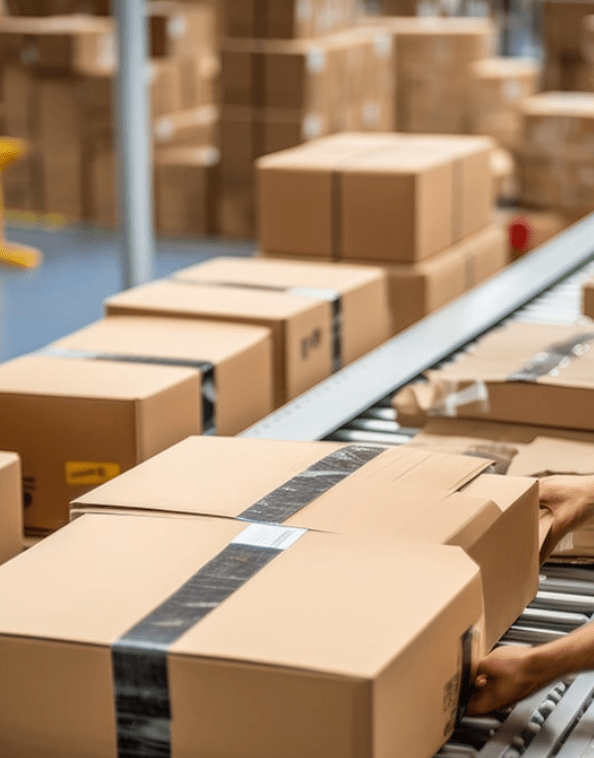

For many eCommerce brands, fulfillment starts off simple—pack orders, print labels, ship products.
But as order volume increases, what once felt manageable quickly becomes a bottleneck. Shipping slows down, errors increase, and internal teams get pulled away from growth-focused work.
This is the point where outsourcing fulfillment stops being an operational decision—and becomes a strategic one.
The Shift from Fulfillment to Growth
In the early stages, handling fulfillment in-house gives brands control and flexibility.
But growth changes the equation.
More orders, more SKUs, and higher customer expectations create operational pressure. Instead of focusing on marketing and revenue, teams spend time managing inventory, packing boxes, and fixing shipping issues.
At scale, fulfillment is no longer just a task—it becomes infrastructure.
Outsourcing allows brands to remove that burden and refocus on growth.
Key Signs It’s Time to Outsource Fulfillment
Not every brand needs a 3PL immediately. But when fulfillment starts limiting performance, it’s time to make a shift.
1. Order Volume Is Outpacing Your Team
As order volume grows, so does operational complexity.
Hiring more staff adds cost and management overhead. A fulfillment partner like FulfillMe allows you to scale without constantly adjusting internal resources.
2. Shipping Delays Are Impacting Customer Experience
Customers expect fast, reliable delivery.
If orders are delayed due to internal constraints, it directly affects satisfaction and retention.
Outsourcing introduces structured workflows and optimized shipping processes that improve delivery speed.
3. You’re Selling Across Multiple Channels
Managing fulfillment across Shopify, Amazon, Walmart, and other platforms adds complexity fast.
Without the right systems, inventory mismatches and fulfillment errors increase.
FulfillMe centralizes multi-channel operations, keeping inventory and orders aligned across every platform.
4. Inventory Management Is Becoming Unreliable
As your product catalog expands, tracking inventory manually or with limited systems leads to:
- Stockouts
- Overstocking
- Inaccurate counts
A 3PL provides real-time visibility and structured inventory management, reducing costly mistakes.
5. Fulfillment Is Slowing Down Your Growth
This is the most important signal.
If your team is spending more time on operations than growth, fulfillment is holding the business back.
Outsourcing removes that friction.
Why Outsourcing Fulfillment Is a Strategic Move
Many brands evaluate fulfillment based on cost alone.
But the real value is in scalability, efficiency, and growth enablement.
Scale Without Infrastructure Investment
Building in-house fulfillment requires:
- Warehouse space
- Labor
- Equipment
- Technology
FulfillMe provides this infrastructure without the upfront investment or long-term risk.
Improve Shipping Speed and Accuracy
Fast shipping is now expected—not optional.
FulfillMe uses optimized pick-and-pack workflows and rate shopping across carriers to improve delivery times and reduce errors.
Reduce Operational Complexity
Managing fulfillment internally means coordinating inventory, shipping, returns, and systems.
Outsourcing consolidates these moving parts into one streamlined operation.
Focus on What Drives Revenue
Your team should be focused on:
- Customer acquisition
- Marketing
- Product development
- Growth strategy
Not packing boxes.
Common Misconceptions About Outsourcing Fulfillment
“We’ll Lose Control”
In reality, you gain visibility.
With FulfillMe, brands have access to real-time tracking, reporting, and inventory data.
“It’s Too Expensive”
Outsourcing replaces existing costs like:
- Labor
- Rent
- Packaging supplies
- Shipping inefficiencies
In many cases, it’s more cost-effective than staying in-house.
“We’re Not Big Enough Yet”
You don’t need massive scale to benefit from a 3PL.
Outsourcing early can prevent operational issues before they impact growth.
How FulfillMe Supports eCommerce Brands
FulfillMe is built to support growing brands with flexible, scalable fulfillment solutions.
End-to-End Fulfillment
From storage to shipping, FulfillMe handles the full process:
- Inventory storage
- Pick and pack
- Shipping
- Returns
Multi-Channel Integration
Seamlessly connect your storefronts and marketplaces into one system.
Shipping Optimization
Reduce costs with rate shopping and carrier optimization while maintaining speed.
FBA Prep Services
Ensure Amazon compliance and avoid delays or penalties.
Scalable Operations
Whether you’re shipping hundreds or thousands of orders, FulfillMe grows with you.
The Long-Term Impact of Outsourcing Fulfillment
Outsourcing isn’t just about solving short-term challenges—it sets the foundation for long-term growth.
Better Customer Experience
Faster, more accurate fulfillment leads to higher satisfaction and retention.
More Time for Growth
Free up internal resources to focus on scaling the business.
Increased Flexibility
Adapt to demand changes without major operational disruptions.
Final Thoughts
Outsourcing fulfillment isn’t about giving up control—it’s about removing the operational friction that slows growth.
At a certain point, managing fulfillment internally stops being efficient and starts limiting your ability to scale.
FulfillMe gives eCommerce brands the infrastructure, speed, and flexibility needed to grow—without the burden of building and managing fulfillment themselves.
FAQ: Outsourcing Fulfillment
When should you outsource fulfillment?
When order volume increases, shipping slows down, or fulfillment starts limiting growth.
Is outsourcing fulfillment cost-effective?
Yes. It replaces fixed costs with a scalable model while improving efficiency.
What does FulfillMe handle?
Storage, pick and pack, shipping, returns, and inventory management.
Will outsourcing improve shipping speed?
In most cases, yes. Optimized workflows and carrier strategies lead to faster delivery times.

Don Cummings is a seasoned logistics and fulfillment executive, serving as Vice President of Sales and Marketing at FulfillMe. He brings a proven track record of building high-performing national sales teams and implementing sales enablement strategies that align commercial objectives across sales and marketing functions. With early career experience at the United States Postal Service and Stamps.com, Don combines deep operational insight with strategic leadership to drive scalable growth solutions in the 3PL and e-commerce sectors.