
Most brands still think winning Gen Z is a marketing problem.
Better creative, more influencers, stronger content.
That still matters—but it’s no longer enough.
In 2026, the brands that actually retain Gen Z customers aren’t just the ones that market well. They’re the ones that deliver a consistent experience after the purchase. That shift has quietly turned fulfillment into one of the most important growth levers in eCommerce.
You can drive demand all day, but if shipping is slow, orders are inaccurate, or returns are frustrating, Gen Z won’t come back. And unlike previous generations, they won’t give you multiple chances to get it right.
Gen Z evaluates the entire experience
Gen Z doesn’t separate marketing from operations. To them, it’s all one continuous experience.
The moment they complete a purchase, expectations shift immediately to how fast the order ships, whether it arrives exactly as expected, and how easy it is to return if needed. If any part of that breaks, it reflects on the brand.
This is where many eCommerce brands fall short. They invest heavily in acquisition but underinvest in fulfillment, assuming it’s just a backend function. In reality, fulfillment is now one of the most visible parts of the customer journey.
Why fulfillment pressure is higher than ever
Gen Z expectations are shaped by speed, transparency, and convenience. That standard carries into eCommerce.
They expect delivery timelines to be clear and reliable. They expect accurate orders every time. And they expect returns to feel simple, not frustrating.
At the same time, the way Gen Z shops creates operational pressure. Product drops, influencer spikes, and trend-driven demand can create sudden surges in order volume. For brands handling fulfillment in-house, those spikes are difficult to manage without sacrificing speed or accuracy.
What worked at lower volume becomes inconsistent under pressure.
Where in-house fulfillment starts to limit growth
In-house fulfillment works early on because operations are simple and manageable. As brands grow, that simplicity disappears.
Inventory becomes harder to track across multiple SKUs and sales channels. Order processing slows as exceptions increase. Returns begin to pile up without a clear system in place.
At a certain point, the issue is no longer efficiency—it’s scalability.
Teams start spending more time reacting to problems than growing the business. Marketing continues to drive demand, but operations struggle to keep up. That disconnect is where growth begins to stall.
Why 3PL fulfillment is becoming a strategic decision
More brands are recognizing that fulfillment is not something you scale manually.
Instead of continuing to invest in warehouse space, labor, and systems, they are turning to 3PL fulfillment partners that already have the infrastructure in place.
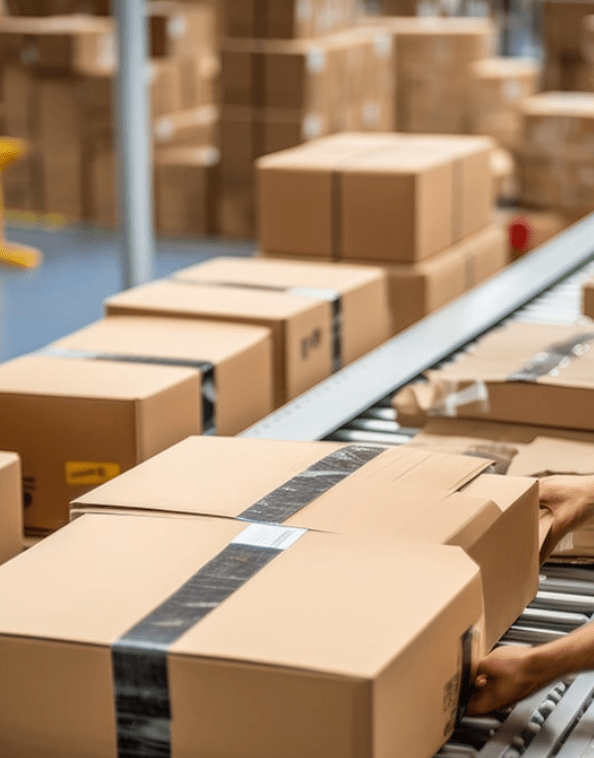
A strong 3PL introduces structure into the areas that typically break at scale—inventory management, order processing, shipping optimization, and returns. It replaces reactive processes with consistent workflows that can handle fluctuations in demand.
That level of consistency is exactly what Gen Z expects from the brands they buy from.
How FulfillMe supports Gen Z eCommerce brands
FulfillMe is built for brands that are scaling quickly and need fulfillment to keep pace with demand.
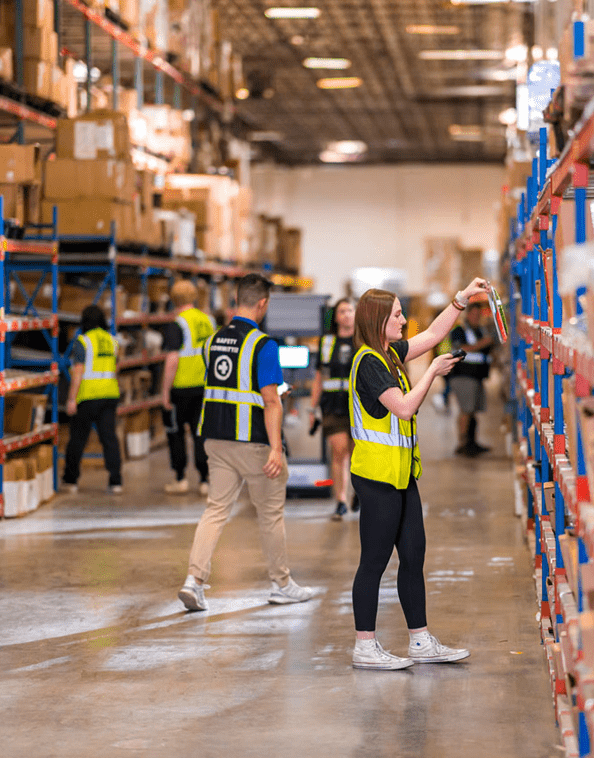
Inventory is tracked at the SKU level, helping maintain accuracy even as product catalogs expand. Orders are processed through structured workflows that reduce errors and improve consistency, even during high-volume periods.
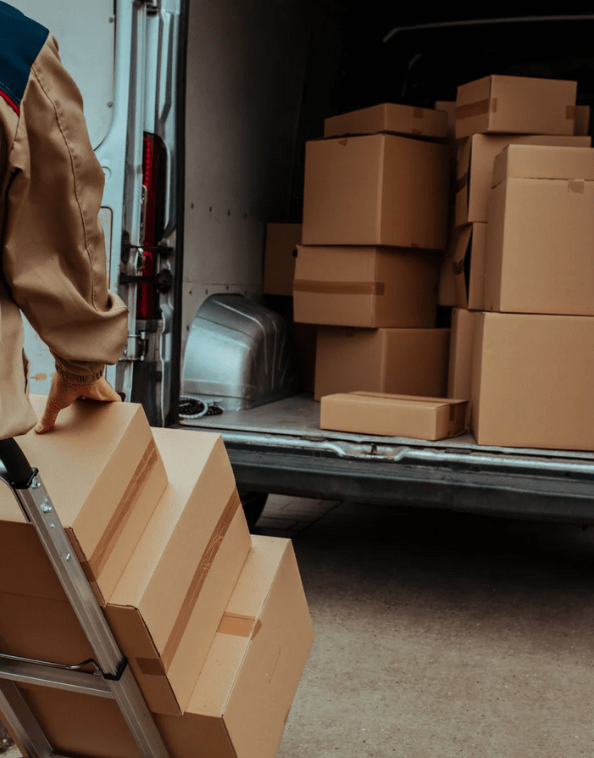
Shipping is optimized to balance speed and cost, while returns are handled as part of the overall system, allowing products to move back into inventory quickly.
For brands targeting Gen Z, this consistency is critical. It ensures that the experience after checkout matches the expectations set before it.
Fulfillment is now part of your brand
Fulfillment is no longer invisible. It shows up in delivery speed, packaging, and the return experience.
These are no longer just operational details—they are brand moments.
For Gen Z, those moments influence perception, reviews, and whether they choose to buy again. A smooth experience reinforces trust. A poor experience can quickly push customers toward competitors.
This is why fulfillment has become part of the marketing equation. It directly impacts how effective your acquisition efforts actually are.
Retention is where fulfillment proves its value
Customer acquisition costs continue to rise, making retention more important than ever.
Retention comes down to consistency. If a customer receives their order on time, gets exactly what they expected, and can return it easily if needed, they are far more likely to purchase again.
If that experience breaks, the opposite happens.
Fulfillment plays a direct role in that outcome. It’s not just about delivering orders—it’s about reinforcing the decision to buy from your brand again.
When to move to a 3PL
Most brands wait too long to upgrade their fulfillment strategy. They try to push through inefficiencies or add more internal resources to a system that is not designed to scale.
A better approach is to recognize the signals earlier. The shift typically makes sense when fulfillment starts to feel reactive instead of controlled.
That’s usually when order volume increases, returns become harder to manage, or shipping performance becomes inconsistent.
At that point, continuing to scale in-house often adds complexity rather than solving it.
Final thoughts
Gen Z is changing how eCommerce brands grow.
The experience doesn’t end at checkout. It continues through fulfillment, and that experience determines whether customers come back.
FulfillMe helps brands meet these expectations by providing the infrastructure, speed, and consistency needed to support growth.
Because in 2026, the brands that win aren’t just the ones that create demand.
They’re the ones that deliver on it.
FAQ: 3PL Fulfillment and Gen Z eCommerce
What is 3PL fulfillment in eCommerce?
3PL fulfillment refers to outsourcing logistics operations—such as warehousing, order processing, shipping, and returns—to a third-party provider. This allows eCommerce brands to scale without managing fulfillment internally.
Why is 3PL fulfillment important for Gen Z brands?
Gen Z expects fast shipping, accurate orders, and easy returns. A 3PL helps ensure those expectations are met consistently, which directly impacts customer retention.
When should an eCommerce brand outsource fulfillment?
Brands typically make the shift when order volume increases, fulfillment becomes inconsistent, or operations start limiting growth.
How does fulfillment impact customer experience?
Shipping speed, order accuracy, and return simplicity all shape how customers perceive a brand and whether they choose to buy again.
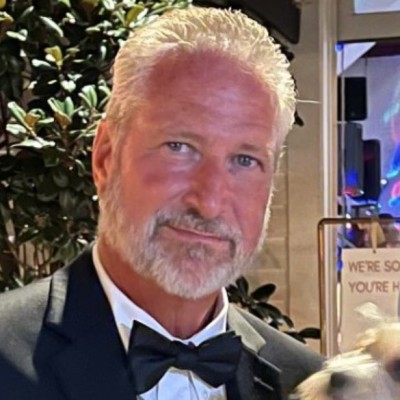
Norman Kravitz is a logistics and fulfillment expert with extensive experience in e-commerce supply chains, currently serving as CEO and Founder of FulfillMe, a technology-enabled 3PL provider. Beginning his career at the United States Postal Service and later leading operations at Ddu Express, he has deep expertise in freight forwarding, inventory management, and cost optimization. Norman’s strategic approach to logistics operations and e-commerce fulfillment positions him as a trusted authority in the 3PL industry.