Shipping delays have become one of the biggest operational challenges for eCommerce brands.
Customers expect fast and reliable delivery, and even minor delays can quickly impact the customer experience. While most businesses focus on the package arriving late, the real cost of shipping delays often extends much deeper into operations, customer retention, and profitability.
For many growing brands, shipping delays create hidden downstream costs that affect customer support teams, inventory planning, labor efficiency, and long-term growth. In many cases, the issue does not begin with the carrier itself. It starts earlier within fulfillment operations.
The good news is that many of these challenges can be reduced through stronger warehouse execution, better inventory visibility, and more efficient fulfillment workflows.
The Real Cost of Shipping Delays
When customers experience delayed shipments, they often associate the problem directly with the brand. Even if the carrier is partially responsible, the business still absorbs the operational and reputational impact.
Shipping delays commonly lead to:
- increased customer support inquiries
- refunds and reshipments
- negative reviews
- higher shipping expenses
- reduced customer trust
For eCommerce brands operating at scale, these issues can create significant pressure across multiple teams.
A delayed shipment may seem like a temporary inconvenience, but repeated fulfillment issues can slowly reduce operational efficiency and customer retention over time.
Many Delays Start Before the Carrier Receives the Package
Carriers are often blamed for shipping delays, but fulfillment inefficiencies are frequently part of the problem.
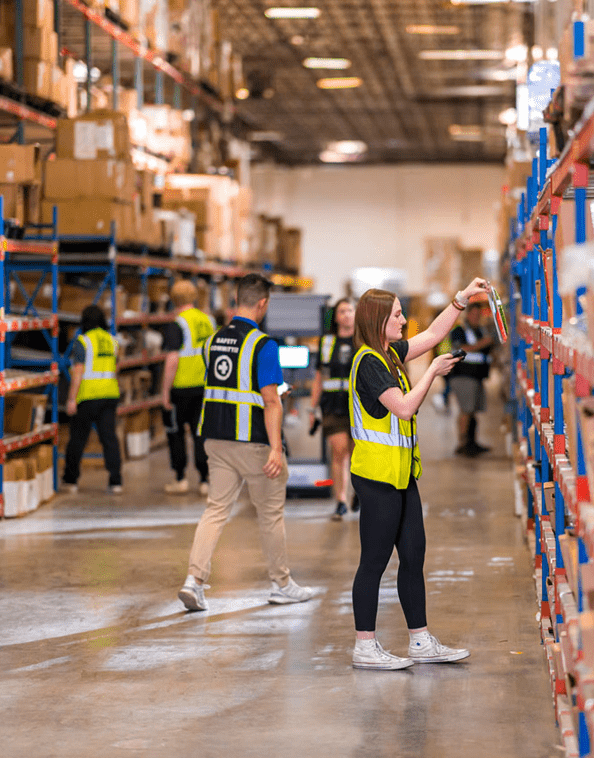
If warehouse operations are slow, inventory is inaccurate, or orders are not processed quickly, shipments may already be delayed before the package is handed off for delivery.
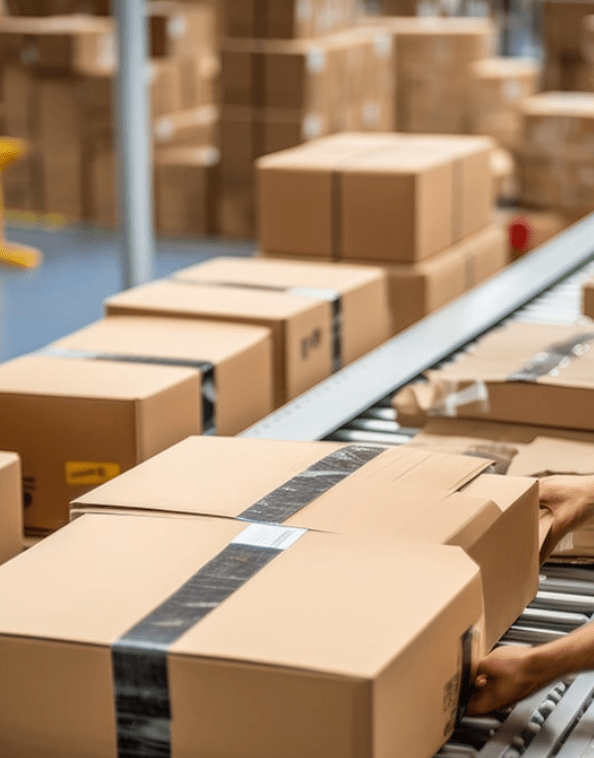
As order volume increases, these bottlenecks become harder to manage internally. Businesses may begin experiencing slower pick and pack times, inventory discrepancies, delayed outbound shipments, or operational strain during busy periods.
This is especially common during:
- seasonal spikes
- product launches
- promotional campaigns
- periods of rapid growth
Without scalable fulfillment operations in place, delays can quickly compound across the customer experience.
Customer Support Costs Add Up Quickly
One of the first places shipping delays become visible internally is customer support.
When orders arrive late or tracking information appears stalled, support teams often experience a surge in “Where is my order?” inquiries. As ticket volume increases, businesses may need to dedicate additional labor and resources simply to manage fulfillment-related communication.
Over time, this can increase operational costs while also reducing the customer experience.
For brands investing heavily in customer acquisition, fulfillment performance becomes even more important. If customers experience repeated delays after making a purchase, retention and lifetime value may begin to decline.
Why Expedited Shipping Is Not a Long-Term Solution
Many brands try to solve fulfillment delays by paying for faster shipping services.
While expedited shipping can occasionally help preserve individual customer relationships, it often becomes an expensive short-term fix for a larger operational issue.
Businesses may end up absorbing additional costs through overnight shipping upgrades, emergency inventory transfers, split shipments, or rush order handling. These expenses can quietly reduce margins over time, especially as order volume increases.
Rather than relying on faster carrier services to compensate for fulfillment inefficiencies, many brands benefit more from improving the fulfillment process itself.
Why the Right Fulfillment Partner Matters
As eCommerce operations become more complex, fulfillment performance plays a larger role in overall business growth.
Managing inventory accurately, processing orders quickly, and maintaining consistent shipping workflows requires both operational expertise and scalable infrastructure. This is one reason many growing brands work with third-party logistics providers that specialize in eCommerce fulfillment.
A strong fulfillment partner should help improve operational visibility, warehouse efficiency, and shipping consistency — not simply store products and print labels.
Working with a fulfillment provider like FulfillMe can help brands create more streamlined fulfillment operations while reducing many of the downstream costs associated with shipping delays.
How FulfillMe Helps Reduce Fulfillment Bottlenecks
FulfillMe provides technology-enabled fulfillment solutions designed to support growing eCommerce brands.
By improving fulfillment workflows and operational visibility, businesses can reduce delays before they impact customers.
FulfillMe helps brands through:
- warehousing and inventory management
- pick and pack fulfillment
- shipping optimization
- multi-channel fulfillment support
- Amazon FBA prep services
For many eCommerce businesses, outsourcing fulfillment operations also allows internal teams to focus more on growth, marketing, and customer experience rather than managing operational bottlenecks internally.
Reliable fulfillment operations can help improve delivery consistency, reduce operational friction, and create a more scalable infrastructure for long-term growth.
Fulfillment Reliability Has Become a Competitive Advantage
Today’s customers expect more than fast shipping. They expect reliability, visibility, and consistency throughout the fulfillment process.
Brands that consistently deliver positive shipping experiences often benefit from stronger customer satisfaction, improved retention, and fewer operational disruptions.
As competition within eCommerce continues to grow, fulfillment performance has become a direct extension of the brand experience itself.
Businesses that invest in stronger fulfillment operations are often better positioned to scale efficiently while maintaining customer trust.
Final Thoughts
Shipping delays create far more than temporary delivery problems.
For eCommerce brands, delayed fulfillment can increase operational costs, strain customer support teams, reduce retention, and impact profitability over time. While many businesses focus primarily on carrier performance, the root cause often starts earlier within warehouse and fulfillment operations.
By improving inventory visibility, fulfillment workflows, and operational efficiency, brands can reduce many of the hidden costs associated with shipping delays.
Working with an experienced fulfillment partner like FulfillMe can help eCommerce businesses build more reliable, scalable, and efficient fulfillment operations as they continue to grow.
Frequently Asked Questions
What are the hidden costs of shipping delays?
Shipping delays can create additional operational expenses including customer support inquiries, refunds, reshipments, expedited shipping costs, inventory issues, and reduced customer retention.
Why do shipping delays happen in eCommerce?
Shipping delays can result from carrier disruptions, warehouse bottlenecks, inventory inaccuracies, delayed order processing, or inefficient fulfillment workflows.
How can eCommerce brands reduce shipping delays?
Brands can reduce shipping delays by improving inventory visibility, streamlining warehouse operations, optimizing fulfillment workflows, and working with experienced fulfillment partners.
Can a 3PL help improve fulfillment operations?
Yes. A technology-enabled 3PL can help improve order processing speed, inventory accuracy, shipping consistency, and operational scalability.
What does FulfillMe offer eCommerce brands?
FulfillMe provides eCommerce fulfillment solutions including warehousing, inventory management, pick and pack fulfillment, shipping optimization, and Amazon FBA prep services.
Why is fulfillment important for customer retention?
Reliable fulfillment helps improve customer satisfaction and delivery consistency. Frequent delays can negatively impact trust, retention, and the overall customer experience.

Don Cummings is a seasoned logistics and fulfillment executive, serving as Vice President of Sales and Marketing at FulfillMe. He brings a proven track record of building high-performing national sales teams and implementing sales enablement strategies that align commercial objectives across sales and marketing functions. With early career experience at the United States Postal Service and Stamps.com, Don combines deep operational insight with strategic leadership to drive scalable growth solutions in the 3PL and e-commerce sectors.