As ecommerce continues to scale in 2026, fulfillment has become one of the most important operational functions for growing brands. Shipping speed expectations are higher, order volumes fluctuate more dramatically, and many businesses now sell across multiple channels at once.
Because of this, many ecommerce operators researching ShipMonk alternatives are not just looking for a different provider — they are reevaluating how their entire fulfillment strategy supports growth.
For brands looking for a flexible, technology-enabled fulfillment partner, FulfillMe provides scalable ecommerce fulfillment solutions built for DTC, B2B, marketplace, and Amazon FBA operations.
Why Ecommerce Brands Evaluate ShipMonk Alternatives
Ecommerce fulfillment needs vary widely depending on product type, order volume, and sales strategy. As brands grow, they often encounter new operational requirements that influence their fulfillment decisions.
Common drivers include:
1. Multi-Channel Expansion
Brands often move beyond a single Shopify store into Amazon, Walmart Marketplace, retail partnerships, and wholesale accounts. Each channel introduces different fulfillment rules and workflows.
2. Inventory Complexity
More SKUs, bundles, kits, and product variations require more advanced inventory handling and warehouse coordination.
3. Seasonal Demand Fluctuations
Brands with peak seasons (Q4, product launches, promotions) need fulfillment partners that can scale operations without disruption.
4. International or Multi-Region Shipping
As brands expand geographically, warehouse distribution and shipping zones become more important.
5. Operational Visibility
Ecommerce teams increasingly expect real-time inventory tracking, order status visibility, and integrated reporting across channels.
What Ecommerce Fulfillment Actually Includes (Beyond Shipping)
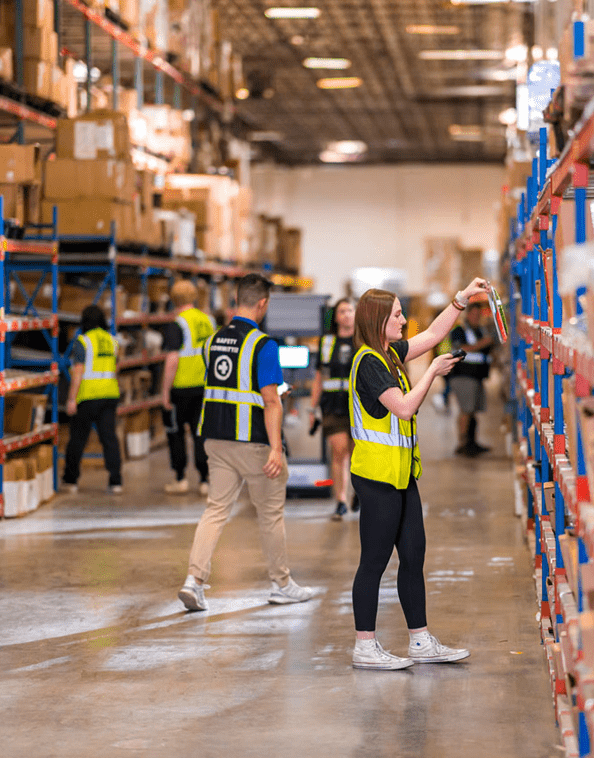
A modern 3PL is more than a warehouse. Ecommerce fulfillment typically includes:
- Receiving and inventory intake
- Storage and warehouse management
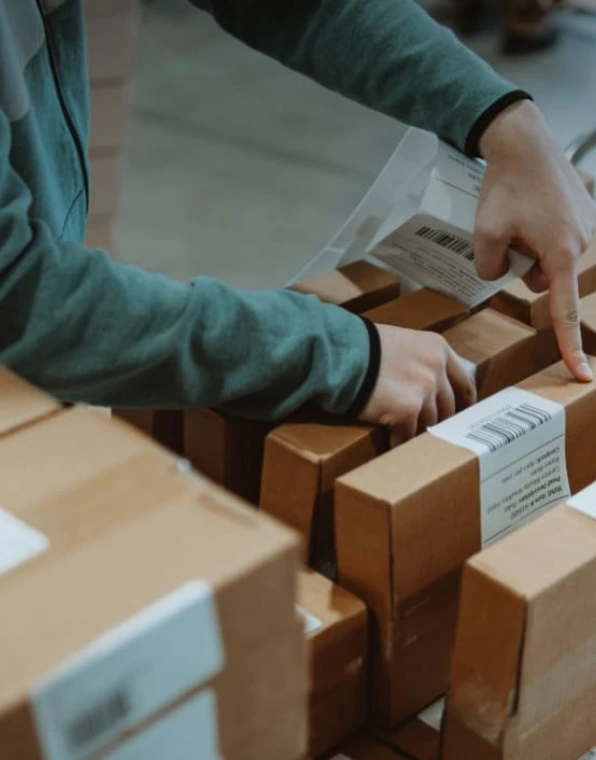
- Order picking and packing
- Carrier selection and shipping optimization
- Returns processing and reverse logistics
- Marketplace compliance (Amazon, Walmart, etc.)
- Subscription box and kitting workflows
- Retail and wholesale order fulfillment
For growing brands, fulfillment becomes tightly connected to customer experience, retention, and operational efficiency.
Fulfillment Solutions from FulfillMe
FulfillMe is a technology-enabled ecommerce fulfillment partner built to support brands as they scale across multiple sales channels.
Unlike rigid fulfillment models that rely on standardized workflows, FulfillMe focuses on adaptable operations designed around each brand’s product mix, order patterns, and channel strategy.
Core Fulfillment Capabilities
FulfillMe supports ecommerce brands with end-to-end fulfillment services, including:
- Direct-to-consumer (DTC) order fulfillment
- Shopify and ecommerce platform fulfillment
- Amazon FBA prep and shipment readiness
- B2B and wholesale order fulfillment
- Marketplace fulfillment (Amazon, Walmart, etc.)
- Inventory storage and management
- Pick and pack operations
- Returns management and processing
- Subscription box fulfillment
- Custom kitting, bundling, and packaging
These capabilities support both early-stage ecommerce brands and more complex, multi-channel operations.
Technology-Enabled Fulfillment Operations
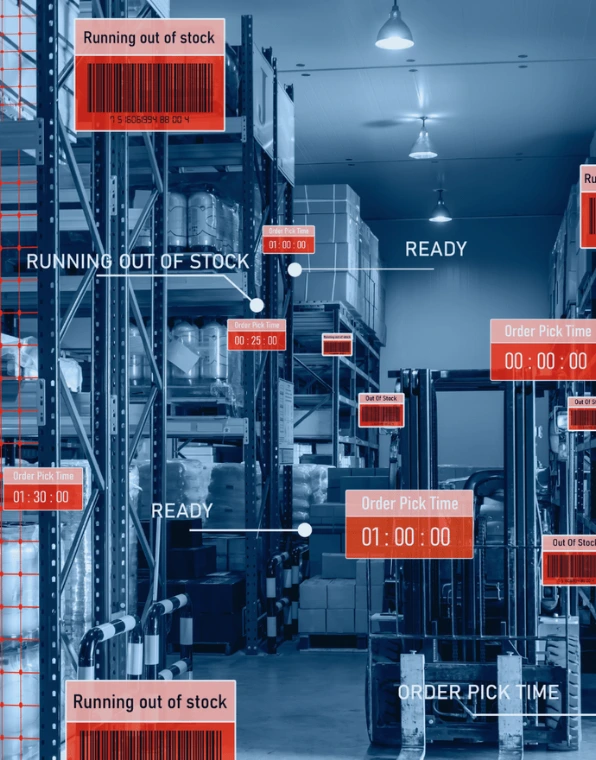
Modern ecommerce fulfillment depends heavily on system connectivity and real-time data.
FulfillMe supports fulfillment operations with integrated logistics technology designed to help brands:
- Track inventory across locations in real time
- Sync orders from multiple ecommerce platforms
- Reduce manual fulfillment errors through automation
- Route orders efficiently across fulfillment workflows
- Maintain visibility into shipping performance
- Support scalable growth without operational breakdowns
This approach is especially important for brands managing multiple sales channels or experiencing rapid growth.
Multi-Channel Ecommerce Fulfillment in Practice
Most ecommerce brands today do not operate in a single channel. A typical growth-stage brand may simultaneously sell through:
- Shopify storefronts
- Amazon marketplaces
- Wholesale/B2B accounts
- Retail distribution partners
- Flash sales or promotional channels
Each channel requires different fulfillment rules, packaging standards, and delivery expectations.
FulfillMe supports these multi-channel operations by helping brands coordinate inventory, order routing, and fulfillment workflows across all channels within one system.
Amazon FBA Prep Services
Amazon sellers often require additional preparation before inventory can be received at fulfillment centers.
FulfillMe provides Amazon FBA prep services designed to help ecommerce brands meet Amazon requirements, including:
- Product labeling and barcoding
- Poly bagging and bundling
- Carton and pallet preparation
- Shipment consolidation
- Inventory staging and routing
- Compliance-ready packaging workflows
This helps reduce operational burden while keeping Amazon fulfillment processes consistent.
What to Look for in a ShipMonk Alternative
When evaluating ecommerce fulfillment providers, brands often focus on operational alignment rather than brand name recognition.
Key evaluation criteria include:
Operational Fit
Does the fulfillment provider support your product type, order volume, and channel mix?
Scalability
Can the provider handle growth, seasonal spikes, and new sales channels?
Technology Integration
Does the system integrate cleanly with Shopify, Amazon, and other platforms?
Inventory Visibility
Can you track inventory and orders in real time across channels?
Fulfillment Flexibility
Are workflows adaptable for bundles, kits, and custom packaging?
Support Structure
How are operational questions and fulfillment issues handled day-to-day?
Common ShipMonk Alternatives in Ecommerce
Ecommerce brands exploring fulfillment partners often evaluate multiple providers, including:
- FulfillMe
- ShipBob
- Red Stag Fulfillment
- Flexport
- Amazon Multi-Channel Fulfillment (MCF)
- ShipFusion
Each provider operates with different strengths, warehouse models, and fulfillment approaches depending on business needs.
Frequently Asked Questions
What are ShipMonk alternatives?
ShipMonk alternatives are ecommerce fulfillment providers that offer services such as storage, order fulfillment, shipping, returns management, and marketplace integrations.
What is a 3PL in ecommerce?
A 3PL (third-party logistics provider) manages ecommerce fulfillment operations including inventory storage, order processing, packing, and shipping.
Does FulfillMe support Shopify fulfillment?
Yes. FulfillMe integrates with Shopify and other ecommerce platforms to streamline order fulfillment and inventory management.
Does FulfillMe offer Amazon FBA prep services?
Yes. FulfillMe provides Amazon FBA prep services including labeling, bundling, packaging, and shipment preparation.
What makes a good ecommerce fulfillment partner?
A strong fulfillment partner provides scalability, reliable technology integration, real-time visibility, and operational flexibility aligned with your growth stage.