For most apparel brands, fulfillment doesn’t feel like a problem—until it becomes one. Early on, it’s manageable. Orders come in, products get packed, and everything ships out. It works well enough to support growth.
But as brands scale, fulfillment starts to change shape. More SKUs, more orders, more returns, and more sales channels introduce complexity that most in-house operations were never designed to handle. What used to be a simple operational process starts creating delays, errors, and constant exceptions.
In 2026, the apparel and accessories brands scaling successfully are not just focused on marketing and product development. They are paying close attention to fulfillment because it is often the first part of the business that begins to slow growth.
Apparel fulfillment gets complex fast
Unlike many product categories, apparel does not scale in a linear way. A single product can quickly expand into dozens of variations across sizes, colors, fits, and styles. Accessories add another layer, often requiring different packaging, handling, and inventory logic.
As SKU counts grow, complexity builds in ways that are not always visible at first. Inventory becomes harder to track accurately. Picking errors increase, especially during high-volume periods. Order processing slows down as exceptions begin to stack up.
At the same time, customer expectations continue to rise. Fast shipping is assumed, not optional. Accurate orders are expected every time. And fulfillment mistakes are less tolerated than ever before.
The result is a system that becomes increasingly fragile as volume increases.
Returns are part of the system, not an exception
Returns play a much larger role in apparel than in most other industries. They are not occasional—they are structural. Sizing issues, fit preferences, and customer expectations all contribute to return volume.
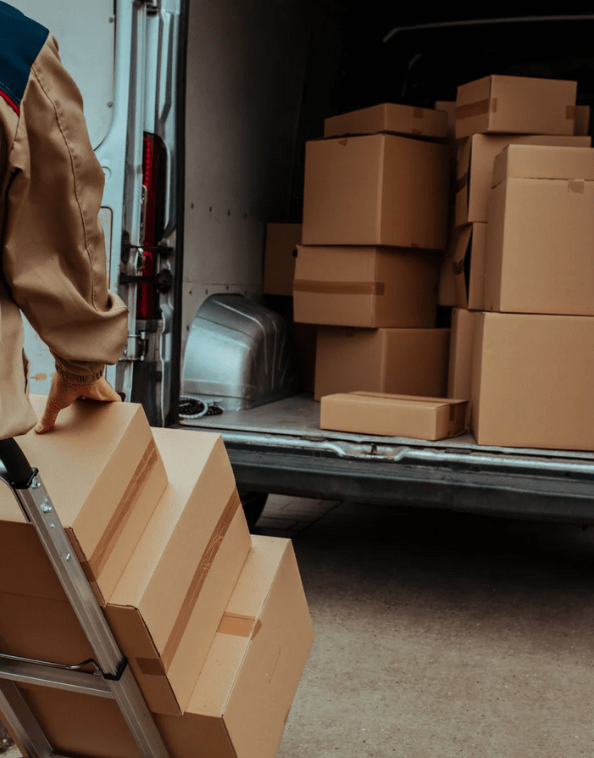
Each return must be received, inspected, sorted, and either restocked or processed appropriately. When this system is inefficient, inventory becomes inaccurate. Products sit in limbo instead of being available for resale, which directly impacts cash flow and margin performance.
Over time, brands that fail to operationalize returns often experience a hidden cost: inventory that exists on paper but is not actually usable.
Why brands are outsourcing fulfillment
As operations grow more complex, many apparel and accessories brands reach a point where in-house fulfillment starts to limit performance rather than support it. At that stage, the issue is no longer just cost—it is scalability.
Instead of continuing to invest in warehouse space, staffing, and systems, brands begin shifting toward fulfillment partners that already have infrastructure in place.
This transition typically happens when brands begin to experience:
- Increasing order volume that strains internal capacity
- Inventory inaccuracies across SKUs, sizes, or variants
- Slower or inconsistent shipping performance
- Returns that are difficult to process and reintegrate
Outsourcing fulfillment allows brands to move from building infrastructure to using infrastructure. That shift often removes the operational ceiling that limits growth.
How FulfillMe supports apparel and accessories brands
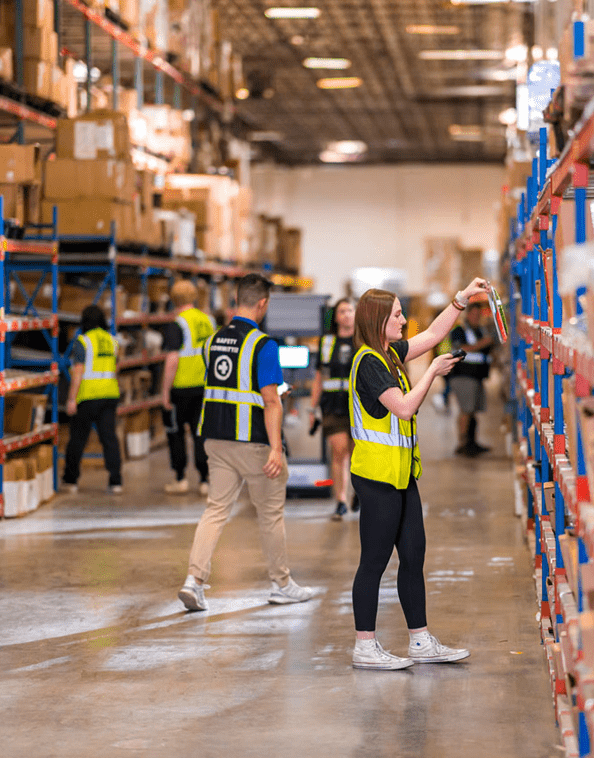
FulfillMe is built to support brands operating in high-SKU, high-variation environments where fulfillment complexity increases with scale.
Inventory is tracked at the SKU level, allowing for precise control across sizes, colors, and styles. This reduces errors and improves visibility across the entire catalog.
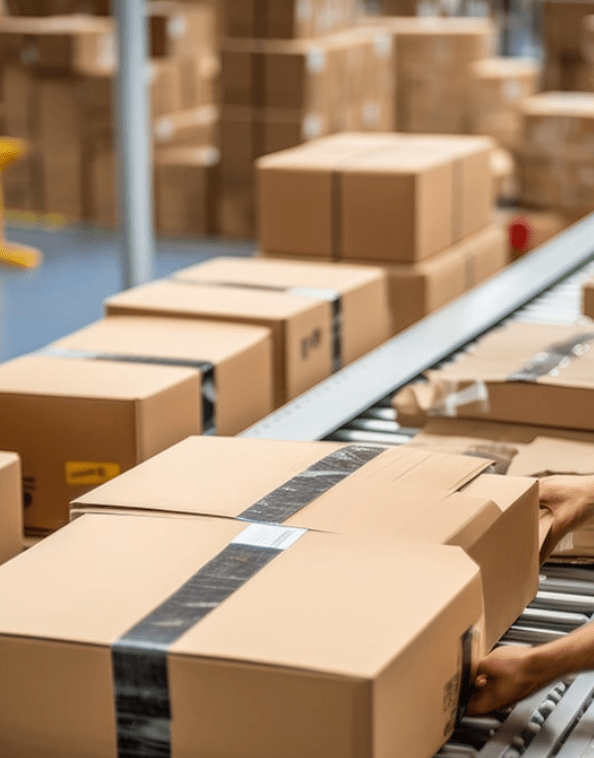
Orders are processed through structured pick-and-pack workflows designed to minimize mistakes while maintaining speed during peak periods. This becomes especially important when order volume fluctuates due to launches, promotions, or seasonal demand.
FulfillMe also manages returns as part of the core fulfillment system, helping products move back into inventory faster and more consistently. This improves available stock accuracy and reduces downtime for returned items.
For accessories and bundled products, FulfillMe supports kitting, flexible packaging, and custom handling requirements, making it easier to manage mixed product categories within a single fulfillment operation.
Fulfillment has a direct impact on brand growth
Fulfillment is often viewed as a backend function, but for apparel and accessories brands, it directly influences customer experience and revenue performance.
Delays, incorrect shipments, or inconsistent return experiences can quickly erode customer trust. In categories where fit, style, and timing matter, even small fulfillment errors can lead to lost repeat purchases.
On the other hand, when fulfillment is consistent and reliable, it creates a compounding effect. Customers receive orders on time, returns are simple, and inventory remains accurate. That consistency supports retention and allows brands to scale without operational friction slowing them down.
Over time, fulfillment becomes less about logistics and more about brand experience.
Final thoughts
In apparel and accessories, growth increases complexity faster than most brands expect. What works in the early stages often does not hold up once order volume, SKU count, and return rates begin to rise.
FulfillMe helps brands manage that transition by providing the structure, systems, and scalability needed to support growth. Instead of fulfillment becoming a constraint on the business, it becomes a foundation that allows the brand to continue scaling efficiently.
FAQ
What makes apparel fulfillment different from other industries?
Apparel fulfillment is more complex due to size and color variations, high SKU counts, and higher return rates compared to most other product categories.
When should an apparel brand outsource fulfillment?
Brands typically outsource when order volume grows beyond internal capacity, inventory accuracy declines, or fulfillment begins slowing down growth.
Does outsourcing fulfillment improve returns management?
Yes. A structured 3PL process helps receive, inspect, and restock returns faster, improving inventory accuracy and reducing lost revenue.
Can FulfillMe handle both apparel and accessories together?
Yes. FulfillMe is built to support mixed catalogs, including apparel, accessories, bundles, and kitting within the same fulfillment system.

Don Cummings is a seasoned logistics and fulfillment executive, serving as Vice President of Sales and Marketing at FulfillMe. He brings a proven track record of building high-performing national sales teams and implementing sales enablement strategies that align commercial objectives across sales and marketing functions. With early career experience at the United States Postal Service and Stamps.com, Don combines deep operational insight with strategic leadership to drive scalable growth solutions in the 3PL and e-commerce sectors.