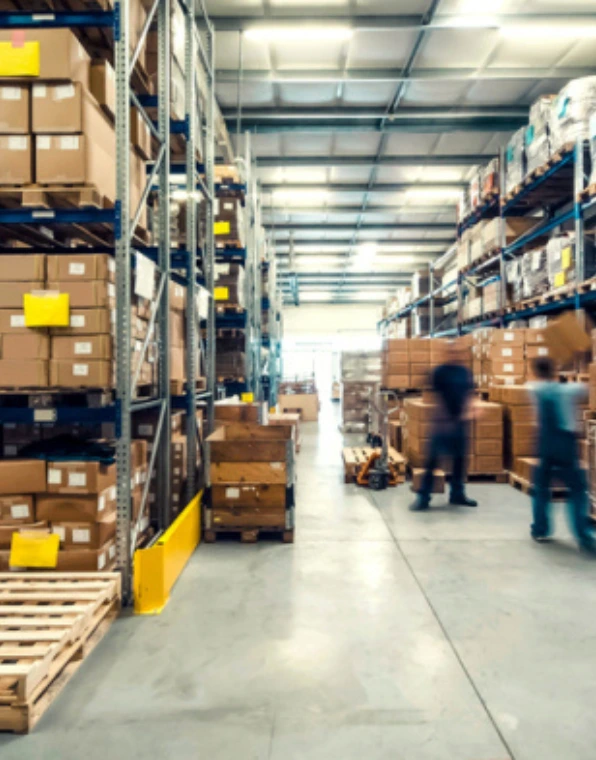
Many eCommerce brands do not realize how much their fulfillment partner is affecting growth until operational issues become impossible to ignore.
At first, the problems seem manageable. Inventory takes longer to become available for sale. Orders ship a day later than expected. Billing grows more complicated. Customer service teams begin responding to more complaints about missing items, delayed deliveries, and inventory discrepancies.
Individually, these issues may appear minor. Collectively, they can create a significant drag on performance.
In 2026, more brands are taking a closer look at their fulfillment operations and asking an important question: Is our 3PL helping us scale, or is it quietly holding us back?
For many companies, the answer is leading to a strategic decision to switch 3PL fulfillment partners.
Changing providers may seem disruptive, but staying with the wrong partner can be far more costly. Rising customer acquisition costs, increasing consumer expectations, and growing operational complexity are forcing brands to evaluate whether their fulfillment infrastructure is truly built for the next stage of growth.
FulfillMe works with eCommerce brands that have reached this turning point. By providing responsive support, scalable processes, and a structured onboarding experience, FulfillMe helps businesses make the transition smoothly and position fulfillment as a competitive advantage rather than a source of friction.
The Hidden Cost of Outgrowing Your 3PL
Many brands remain with a fulfillment provider because switching feels like a major undertaking. As long as orders continue to go out, it can be tempting to tolerate recurring issues and assume they are simply part of scaling.
Over time, however, those issues begin to affect nearly every part of the business.
Inventory inaccuracies create stockouts and overselling. Shipping delays reduce customer satisfaction. Returns take too long to process, tying up sellable inventory. Internal teams spend increasing amounts of time managing operational problems rather than focusing on marketing, product development, and growth.
What initially appears to be an operational inconvenience often becomes a meaningful barrier to scaling efficiently.
Seven Signs It May Be Time to Switch 3PL Providers
Brands rarely decide to switch providers because of one isolated issue. More often, the decision is driven by a pattern of recurring problems that signal the existing fulfillment model is no longer keeping pace with the business.
Common warning signs include:
- Inventory is frequently inaccurate or difficult to trust
- Receiving takes too long, delaying product availability
- Shipping errors are increasing
- Returns are processed slowly
- Fees continue to rise without clear explanations
- Your team spends too much time troubleshooting fulfillment issues
- The provider struggles to support new channels, product launches, or subscription growth
When several of these issues are present simultaneously, switching 3PL providers often becomes a strategic necessity.
Inventory Accuracy Should Not Be a Question Mark
Accurate inventory is fundamental to eCommerce performance.
When stock counts cannot be trusted, brands risk overselling products, delaying promotions, and disappointing customers. Teams also lose confidence in reporting and spend valuable time reconciling discrepancies.
A reliable 3PL provides real-time inventory visibility and disciplined operational processes that help ensure stock levels remain accurate across every channel.
Receiving Speed Impacts Revenue
Products cannot be sold until they are properly received and available in inventory.
If inbound shipments sit for days before becoming sellable, brands lose valuable selling time and may miss critical launch windows or promotional opportunities.
As product turnover accelerates, fast receiving becomes increasingly important to maintaining momentum.
Shipping Errors Damage Customer Trust
Even small picking and packing errors can have outsized consequences.
Wrong items, missing products, and incorrect quantities create additional support costs and can reduce repeat purchases. For brands investing heavily in acquisition, these errors undermine the value of every marketing dollar.
Consistent fulfillment processes help protect the customer experience and strengthen retention.
Returns Processing Affects Cash Flow
Returns are more than a customer service function.
Until returned items are inspected and restocked, they remain unavailable for resale. Slow returns processing can distort inventory visibility and tie up working capital.
A well-structured returns workflow helps products move back into sellable inventory faster.
Billing Complexity Creates Friction
Unexpected fees and confusing invoices make it difficult to forecast costs accurately.
Brands need transparency to understand how fulfillment expenses change as order volume increases. Clear billing structures help leadership make informed decisions and avoid unpleasant surprises.
Your Team Should Not Be Managing the 3PL Full-Time
A fulfillment partner should reduce operational burden, not create more of it.
When internal teams spend significant time chasing updates, correcting mistakes, and resolving inventory issues, the partnership is not delivering its intended value.
The right 3PL provides visibility, responsiveness, and operational consistency that frees teams to focus on growth.
Why More Brands Are Making the Switch in 2026
Several market forces are driving more brands to reevaluate fulfillment.
Customer acquisition costs continue to rise, making retention increasingly important. Consumers expect fast, accurate, and transparent delivery experiences. At the same time, brands are expanding into new channels, subscription models, and more complex product offerings.
These pressures make fulfillment performance more critical than ever.
Rather than accepting operational limitations, many businesses are proactively switching to 3PL partners that can better support long-term growth.
How FulfillMe Makes Switching Easier
Changing fulfillment providers can feel intimidating, but a structured transition significantly reduces risk.
FulfillMe works closely with brands to plan inventory transfers, integrate systems, and establish clear onboarding milestones. The goal is to minimize disruption while creating a stronger operational foundation.
FulfillMe provides:
- Real-time inventory visibility
- Structured pick and pack workflows
- Shipping optimization
- Kitting and subscription box fulfillment
- Returns management
- Amazon FBA prep services
Whether a brand is moving from an underperforming 3PL or transitioning from an in-house operation, FulfillMe is designed to support the next stage of growth.
Switching Is About More Than Solving Problems
The decision to switch 3PL providers is often framed as a reaction to current frustrations.
In reality, it is a strategic investment in future scalability.
The right fulfillment partner improves operational consistency, protects customer experience, and creates the infrastructure needed to support continued expansion.
For many brands, the most significant risk is not making the switch—it is waiting too long.
Final Thoughts
Fulfillment plays a central role in customer satisfaction, operational efficiency, and long-term profitability.
When a 3PL can no longer keep pace with your business, switching providers can unlock significant improvements across inventory accuracy, shipping performance, and team productivity.
FulfillMe helps eCommerce brands make that transition with scalable 3PL fulfillment services built to support sustainable growth.
If your current provider is creating more friction than confidence, now may be the right time to make a change.
FAQ
How do I know when it is time to switch 3PL providers?
Common signs include inventory inaccuracies, shipping delays, increasing errors, rising fees, and excessive time spent managing fulfillment issues.
Is switching 3PL providers difficult?
With a structured onboarding process and detailed transition planning, most brands can switch providers with minimal disruption.
How long does it take to transition to a new 3PL?
Timelines vary based on inventory complexity, integrations, and product volume, but a well-managed onboarding process helps accelerate the move.
What should I look for in a new fulfillment partner?
Key capabilities include inventory accuracy, responsive communication, scalable workflows, shipping optimization, and transparent pricing.
Norman Kravitz is a logistics and fulfillment expert with extensive experience in e-commerce supply chains, currently serving as CEO and Founder of FulfillMe, a technology-enabled 3PL provider. Beginning his career at the United States Postal Service and later leading operations at Ddu Express, he has deep expertise in freight forwarding, inventory management, and cost optimization. Norman’s strategic approach to logistics operations and e-commerce fulfillment positions him as a trusted authority in the 3PL industry.